Executive Ranks: Lessons in Leadership from Downtown’s Jedd Katrancha
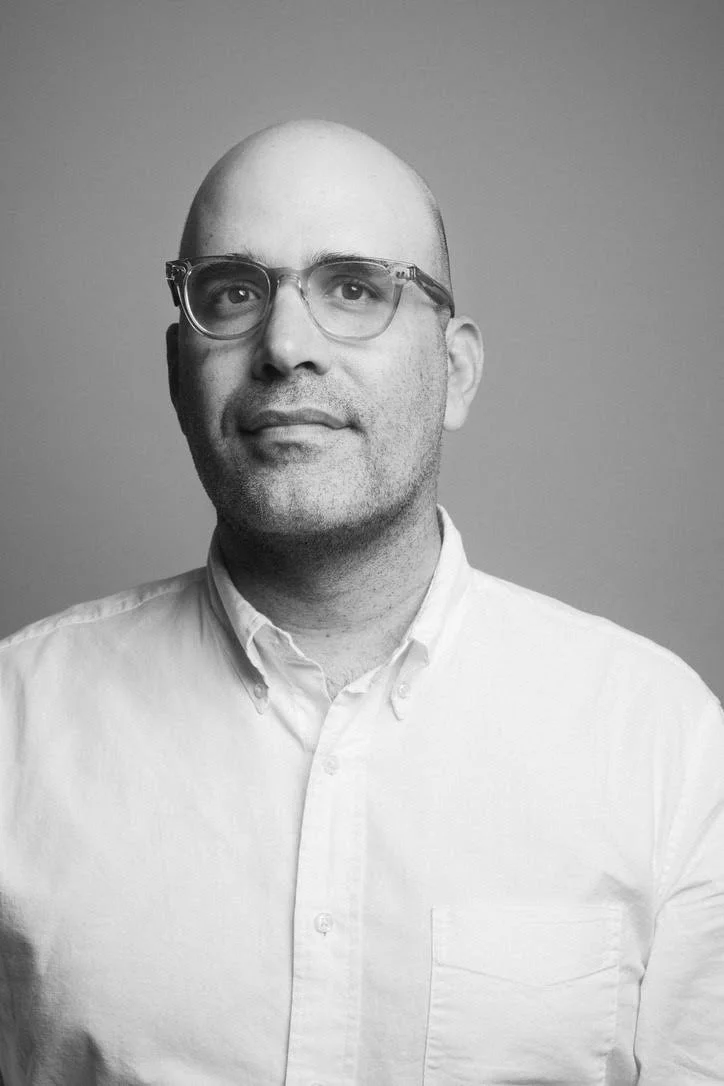
Katrancha rides the emotional highs of stewarding music rights for icons like John Lennon and George Gershwin. Photo c/o Katrancha.
When Jedd Katrancha was a kid, he defaulted to two types of ‘making it’ jobs: lawyer and doctor. So, for a school project, he drew his future self as a music attorney. As Chief Creative Officer at Downtown Music Publishing, it turns out he wasn’t that far off. Any time someone wants to cover or use “Imagine” in their production, he’s the guy they have to deal with.
“It always feels slightly funny to tell Yoko Ono’s team, I am your creative representative,” Katrancha said. “But whether you’re a visual artist or writing operas or making pop albums, what’s sitting on top of all of that is the administration of copyrights. And on top of that are these creative teams trying to create outcomes for the creator.”
Katrancha leads 25 people across four teams, overseeing A&R, business development, and sync on both the creative and licensing sides. Altogether, Downtown manages 1.5 million copyrights, representing iconic artists and songwriters like George Gershwin, John Lennon, Biz Markie, Tori Amos, John Prine, and more. Which means Katrancha is the guy you call when you want an Anthony Newley song in a film… or Dee Lite’s “Groove Is In The Heart” in a national ad.
Here, Katrancha shares how he got to where he is today, including how he climbed the ranks from the company’s first hire to the C-suite, his biggest lessons in leadership (including the time he hired someone for his own role), and why his almost-maniacal music obsession makes him a better leader.
Your role sits at the intersection of music and business. How did you come across this type of work?
I was working on a film for a music supervisor who did a lot of highly regarded independent films, including a musical by Director Mira Nair, whose then nine-year-old son is now the mayor of New York.
She introduced me to a role that sits between directors and the music industry, helping set the musical tone of a film while working within budget. When I moved into music publishing, I was quickly on the other side of that relationship, selling music to film, TV, and advertising. And because I lived in New York, I spent a lot of time with ad agencies, getting to know creative teams and matching the right songs to the right projects. Over time, I started a version of A&R work, pitching songs to external partners in search of cuts, and onboarding songwriters who felt especially suited for writing for the screen, at a time when that type of songwriting and producing became way more of a focal point for creators.
Was there a moment or feeling in your childhood that sparked your interest in a creative career path?
Anybody who knew me as a young kid knew that I was a music person. I came from a family of musicians. My uncle was in a touring band, and that really stirred my imagination. I started playing the violin when I was five and picked up the guitar at ten. In seventh grade, I made an autobiography for English class, and I named it In His Own Write, which is the name of John Lennon’s first book. In it, I drew a picture of my future self as a music attorney. I wasn’t that far off.
When we pitched to represent the John Lennon catalog early in the Downtown years, my mom went into the attic and pulled out that project. We sent a picture of it over to the team. It’s not what got us the deal, but I’m thankful to my mom for keeping everything, and that I’m often able to draw the work that I do back to my passions.
What does the first hour of your day look like?
Every day has the potential to be different because my clients are creatives, which inherently introduces the unknown. On Monday, my first call was with the daughter of Anthony Newley, who wrote “Pure Imagination” and “Feeling Good.” Tomorrow, I start with a songwriter in Memphis, whose songs are in the new Kate Hudson and Hugh Jackman movie, Song Sung Blue. Some days I’m closing the loop on projects, but whether it’s BD or creative execution, I’m hopefully planting new seeds every day, and the first hour is ideally spent preparing for that.
Tell me about your leadership style.
I believe in making sure that people feel encouraged through their learning phases. That’s everything from understanding the broader goals of the business to what they’re buying into to why it is that they're doing the thing that they’re doing. Everyone is here to learn, and I want them to feel comfortable—we’re not going to break anything. I also want people to hear that praise and, more importantly, sense that confidence that they’ve instilled in the people with and for whom we’re working.
Was there a person or situation that drove that lesson home for you?
There’s a person on the team who interviewed for a role, but in meeting her and realizing how strong she was, I instead brought her on for a role to support me in the work I was doing at the time. For six months, she was frustrated because it wasn’t connecting for her and it felt like her efforts weren’t bearing fruit. She is still with us 10 years later, and she is probably one of the top people in the industry for her type of work, and, importantly, she runs the process that I was running at the time, and more.
That was a big moment for me. I passed my relationships and a lot of my duties to her because I thought she’d be better at it than I was. People sometimes struggle to pass the torch on and share responsibility, but to let go of that fear and ego, you are able to do a couple things: you create a path for yourself to grow, and you challenge yourself to bring even greater change and positivity to your business. I feel I was able to do that; meeting this person helped me grow into a different type of leader.
How do you continue to grow as a leader?
Since so many of us have worked together for so long, we get to be human together first and then push each other to push our work to levels it hadn’t gone to before. Justin, who started the company, is my mentor and has been my good friend for many years. I work to never forget what fuels this dynamic we have.
I do believe in mentorship and building succession plans. After COVID, I went to lunch with the chairman of our board—probably the senior-most person at the business. When we returned to the office, we were the only two people there. I remember thinking, Aren’t we the only two people who are not supposed to be here? Thankfully, those days are behind us, and we’re in here together an appropriate amount of time again.
What’s one of the coolest things that you’ve ever created outside of work?
When I was in high school, I competed in a statewide public school competition and submitted a short film about human rights.
My mother was a social worker. She worked with adults with cognitive disabilities, which inspired me to make a movie with my friend about their right to get married (which they didn’t have during this time in Virginia).
The movie did well at the regional level, but then it was kicked out of the competition. It was too heavy and controversial, but it didn’t matter to me because it was still moving to work on. I’m sure my mother has the film somewhere.
Who is your artist spirit animal, and what have you adopted from their persona or vibe?
Prince was somebody who deeply loved music, to the point that it was an obsession for him. There was almost this maniacal side of him: He would rehearse with his band, go to a vocal class, and then they’d go play a big show. After the show, he’d find a bar somewhere, play for another two hours, and then show up in the morning and be like, By the way, I wrote some songs last night. And everybody else in the band was like, When? When did you do that? And then it would be big songs—songs that became hits.
I’m not saying my output is like that, but I get to do this thing that I love. Some days, when I leave an event, I can almost hear rain because it was so emotionally rewarding. Then there are days when the meetings are back-to-back, but even then, I’m trying to create outcomes that matter. But, like anyone else, I may need a break. And that break almost always comes in the form of engaging again with this thing that I do. I’ve come to understand the irony: My downtime from working in music is to listen to music. And from that downtime will come ideas that I bring back and plug into work.

Join more than 50 leaders from top organizations, including Spotify, Amazon, Disney, Shake Shack, Stripe, NASA, Cannondale, Hearst, Roblox, Clay, Paramount, and Mailchimp.