Inside the NBA’s Design Brain: Michelle Layne Lawson, VP and Head of Product Design
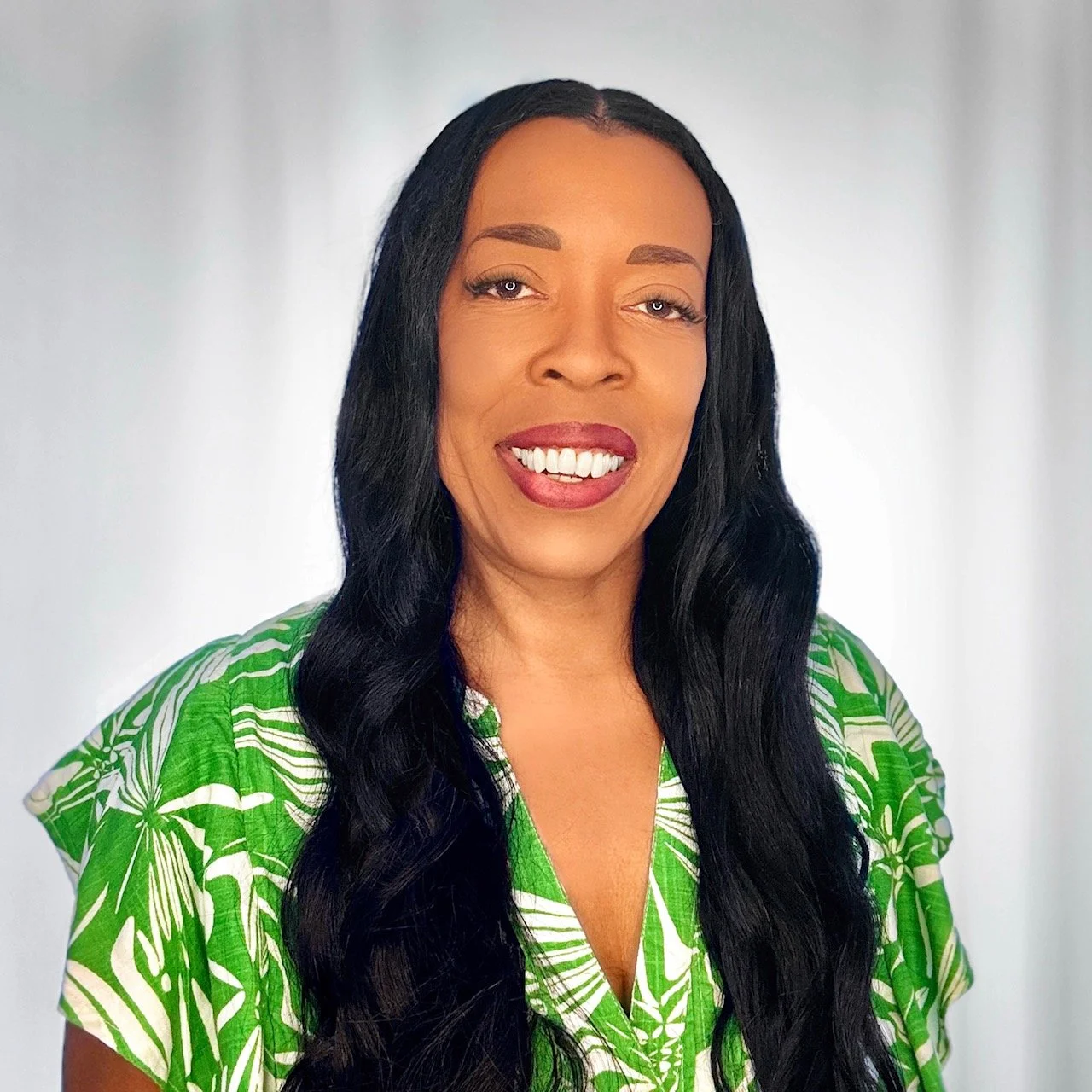
As VP and Head of Product Design at the NBA, Lawson shapes the look and feel of the league’s digital ecosystem. Photos c/o Lawson.
Michelle Layne Lawson is a lifelong New Yorker, but one of her favorite NBA logos belongs to the Charlotte Hornets.
“There are so many great team logos, but the Hornets have always stood out to me. Visually, it’s kind of menacing, which I love,” she says. “It leans fully into the hornet’s energy without becoming chaotic. If intimidation was the objective, this logo definitely delivers.”
As the NBA’s VP and Head of Product Design, Lawson shapes the look and feel of the league’s entire direct-to-consumer ecosystem, from immersive app experiences like NBA League Pass, rebuilt from the ground up for the spatial computing era, to bespoke digital collectibles for die-hard fans.
With her team, Lawson works not only to honor the organization’s legacy, but to build upon it. Here, she shares what it’s like to design for one of the most iconic brands in sports, including how she leads amid a web of stakeholders, the biggest risk she’s taken in her six years there, and why creating doesn’t stop outside the office.
The Most Useful Peer Network for Creative Professionals
Creative Factory is a private, highly vetted leadership community for brand leaders.
Join peers from Amazon, Shake Shack, Roblox, Procter & Gamble, and more.
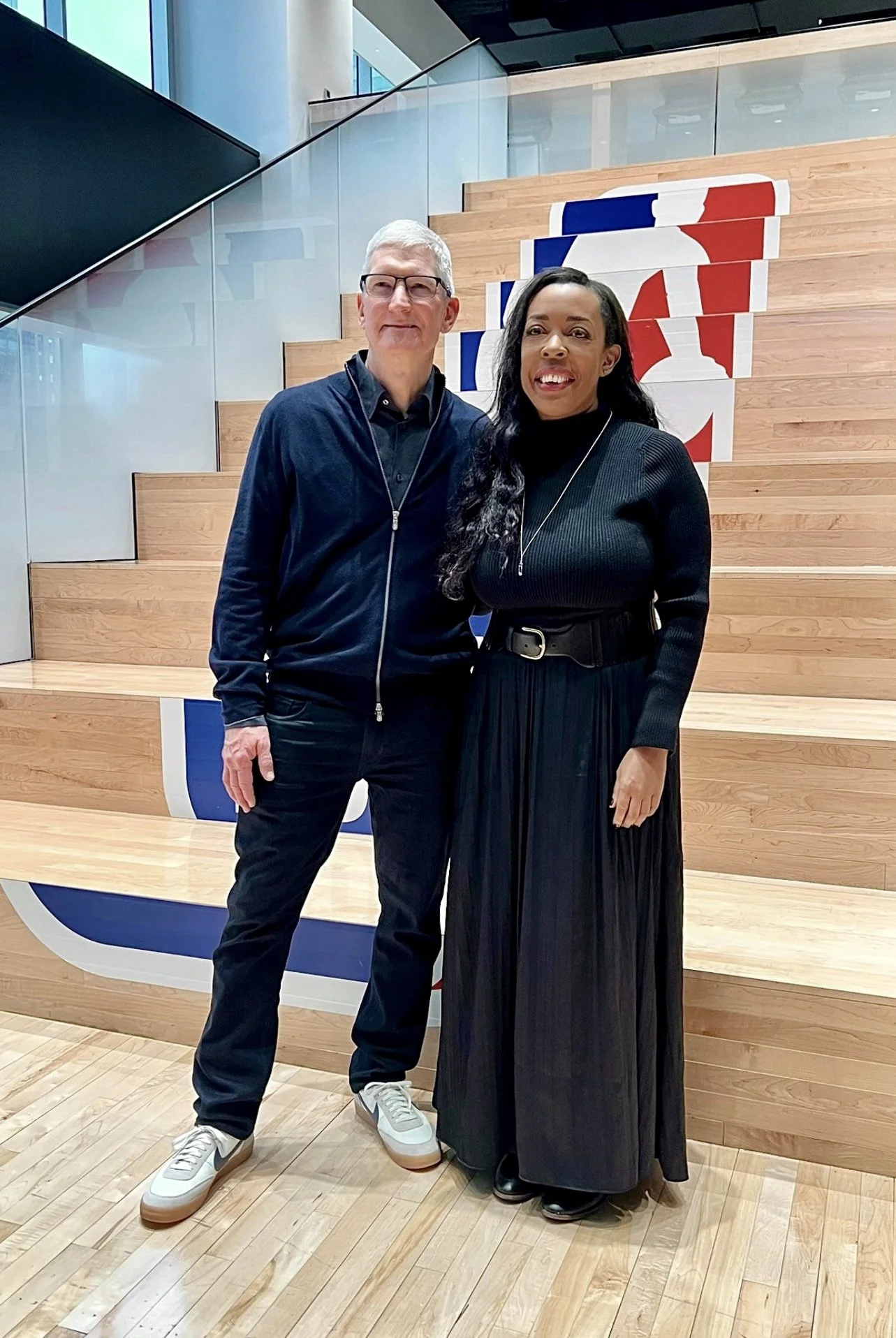
The NYC office, where Lawson and her team presented the NBA app on Apple Vision Pro to Apple CEO Tim Cook.
When you started your career, did you picture yourself leading design at the NBA?
I used to DJ for parties back in the day, and I would design party flyers for the hosts. I loved attracting a crowd through design, and that became part of my fabric of growing as a creative. I’ve always enjoyed creating something that people could see or use, no matter if it was one person or hundreds of people. To think we’re at this point where millions of people are using our products is mind-blowing.
Tell us about your leadership style.
When I took on the role, we were a new group within the NBA and we didn’t know what was ahead, so we knew we’d have to be adaptable. The NBA is a storied organization and a league of elite athletes. These are people at the top of their game. So we have to be at the top of ours. In the beginning, it was a matter of asking, what are our core principles? We were about to create a design language for this new product system from scratch, and we knew we’d have to sell it through again and again. Our decisions weren’t just, “We like this because it’s cool.” That matters, but it needs to ladder up to a larger narrative.
When you reflect on your body of work, what is one of your biggest wins?
The global digital redesign was the reason our group was created in the first place, so there was a lot riding on getting it right. It was a chance to rethink how fans experience the product from the ground up. There was definitely pressure. We had a short runway, a massive scope, and expectations coming from every direction. But pretty quickly, the team aligned on what success actually meant for us. Yes, we needed to ship on time across platforms, but more importantly, we wanted the work to genuinely reflect what we were hearing from fans. That meant spending a lot of time in research and testing, listening closely, and adjusting as we went. The real win was knowing we delivered something that felt thoughtful, intentional, and truly worthy of the audience it was built for.
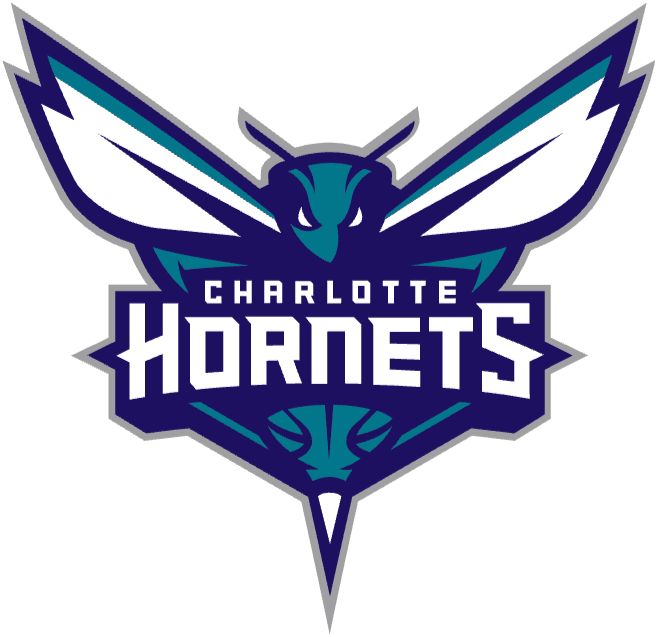
Lawson likes the logo’s sharp angles and the “H” and “S” extensions that read like stingers. The basketball tucked into the hornet’s body anchors the mark without feeling cheesy.
What’s the biggest creative risk you took over the last six years?
When we were designing badges for fans who signed up for our NBA ID membership program, my design director and I thought, what if we brought in an illustrator to create bespoke badges for each team, rooted in storytelling and the identity of their city? That meant collaborating with all 30 teams (30 different stakeholders!) to make sure the illustrations aligned with how they see their city and brand.
I still love that project because the badges go beyond what you’d expect from a team focused on app design, UI, and UX. But branding is part of our DNA, and my background is in branding and advertising, so it was a chance to flex that muscle. To this day, I look at those badges and think, we should put them on sweatshirts. They’re that good.
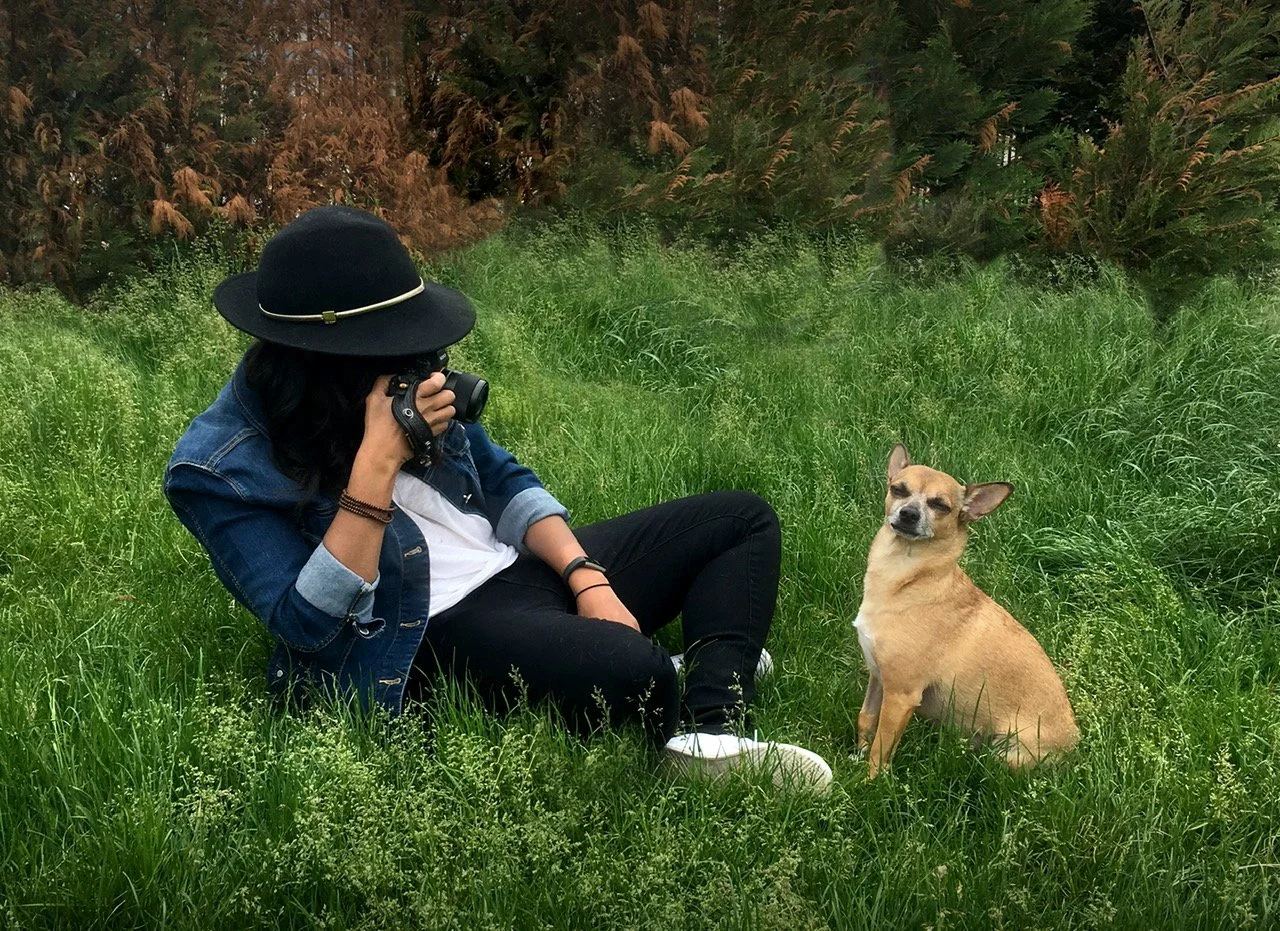
For The Roxy Project, Lawson photographed rescue dogs and interviewed their owners about adoption.
What’s the last thing you came across that inspired you?
The last thing that inspired me was a charming mid-1800s home that was a former rectory. During the walkthrough, I was in awe of the period-specific details, like the original mail slot built into the beautiful front door and the keyholes with swing covers. My personal favorite was the double pocket doors with beveled glass separating the living and dining rooms.
What did you take from this?
As designers, we’re taught to notice and appreciate details like these. But what stayed with me was the system behind it all. Every element felt intentional. The hardware, the transitions between rooms, the way spaces opened and closed — everything worked together cohesively.
So you can start to see the connective tissue between architecture, product design, and even graphic design. The magic is in how the pieces connect: the craftsmanship, the consistency, the invisible decisions that make the experience feel carefully considered.
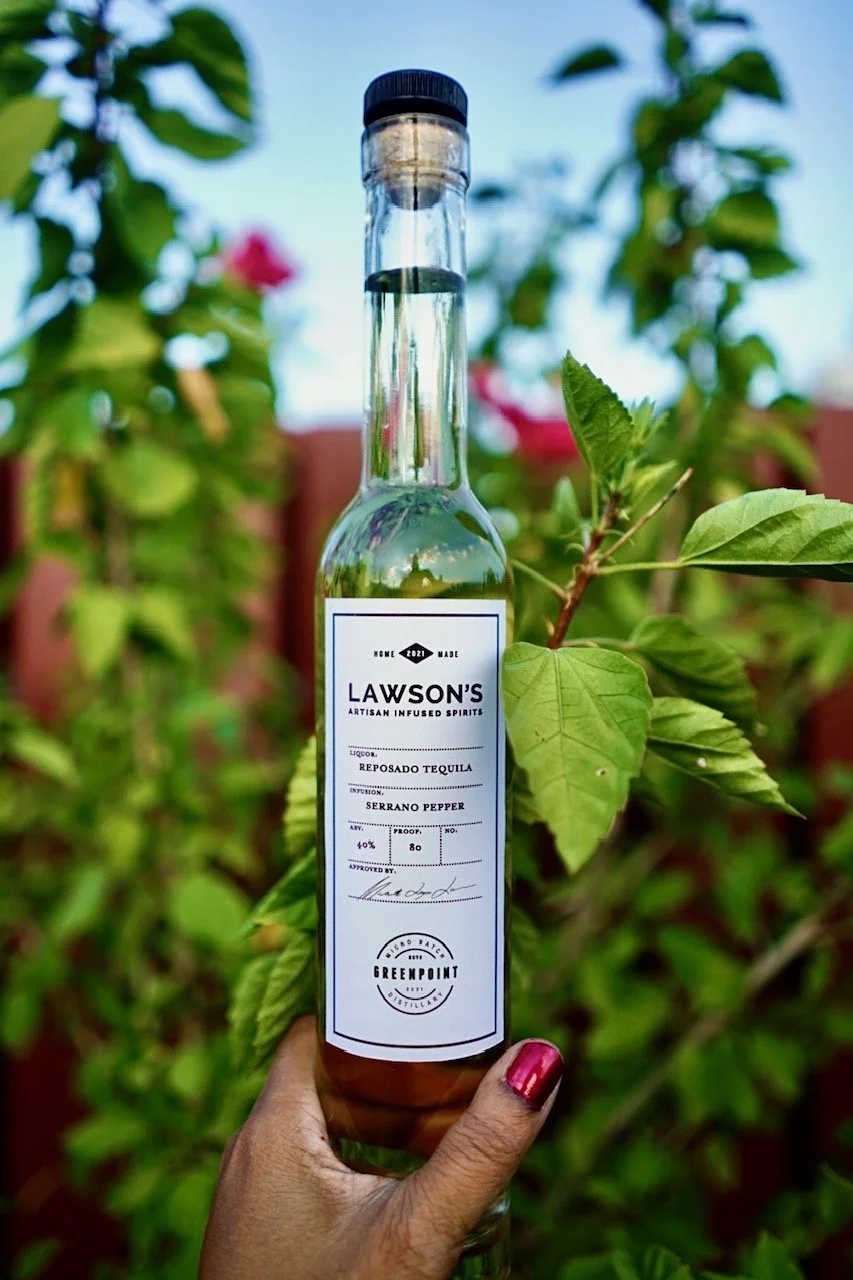
Lawson’s is a playful faux whiskey infusion brand with personality-packed labels.
What's the coolest non-work-related thing that you've ever made?
Six years ago, I created a faux brand of whiskey infusions. It started as gifts for my friends, taking their personalities and designing labels around them. I won’t get into specifics, but it was a fun nod to their personalities. Then I branched out and made different types of infusions. It was like cooking. From there, I developed my brand, Lawson’s, that looked shelf-ready, but don't worry, I wasn't bootlegging anything.
I also spearheaded a photo project called The Roxy Project to help rescue dogs find homes. We shared stories about dogs that were rescued, and I interviewed their owners about how the new additions to their families impacted their lives.
Who is your artist spirit animal?
Janelle Monáe is an amazing artist. She feels so authentic, and her videos are works of art.

Join more than 50 leaders from top organizations, including Spotify, Amazon, Disney, Shake Shack, Stripe, NASA, Cannondale, Hearst, Roblox, Clay, Paramount, and Mailchimp.