
The “Double Century” Leadership Style of Patagonia’s Heidi Volpe
Heidi Volpe, Head of Photography, lives the Patagonia mentality. Photographer: Drew Smith / Photo Editor: Kyle Spark. Images c/o Patagonia.
The landscape surrounding Patagonia’s headquarters in Ventura, California, is an outdoor enthusiast’s playground, framed by the Pacific Ocean to the west and rugged mountains to the east. For Heidi Volpe, Head of Photography and avid cyclist, these paths are more than just a scenic backdrop; sometimes they are also good to take meetings.
When Patagonia hosted a 9-day challenge to bring our communities together, Volpe redefined the work-life blend. She rode 100-mile rides (“centuries”) on the weekends and took a few weekday 1:1 meetings on two wheels. “I was trying to get some miles in, and everybody was such a great sport about it,” Volpe says. In the end, she rode 1,140 miles. “It highlights how we weave together work and play.”
If Volpe sounds like a boss who lives the Patagonia mentality, trust your instincts. She and her team of photo editors and archivists steward a visual program that stretches back 50 years and is defined by a philosophy of “unexpected photography.” They prioritize messy, unscripted, and challenging moments of outdoor sports over perfectly staged commercial shots.
We recently sat down with Volpe to trace her path from the restoration of nature to one of the many contributors to Patagonia’s visual soul, and to explore the personal philosophy that informs her leadership style.
The Most Useful Peer Network for Creative Professionals
Creative Factory is a private, highly vetted leadership community for brand leaders.
Join peers from Amazon, Shake Shack, Roblox, Procter & Gamble, and more.

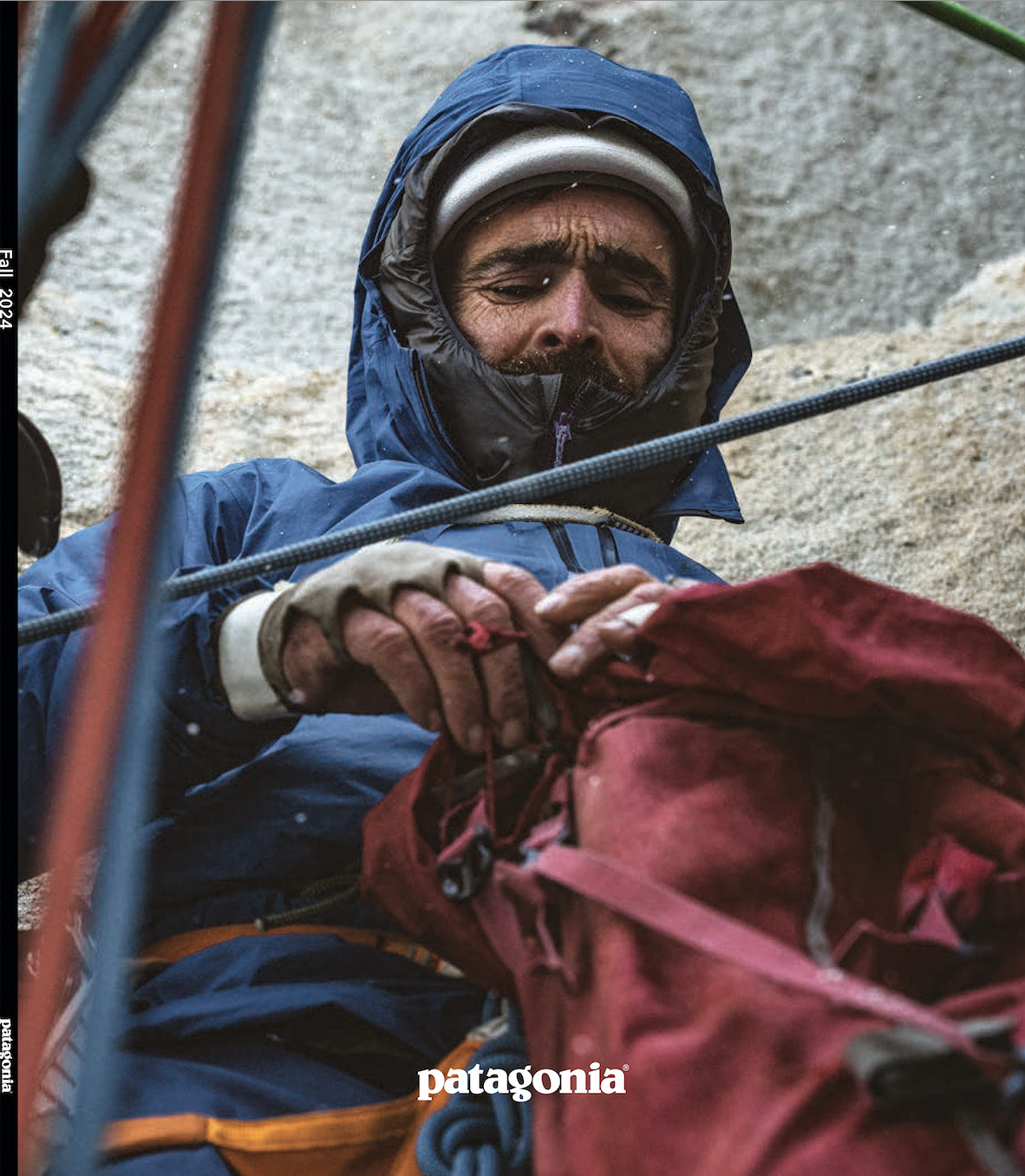
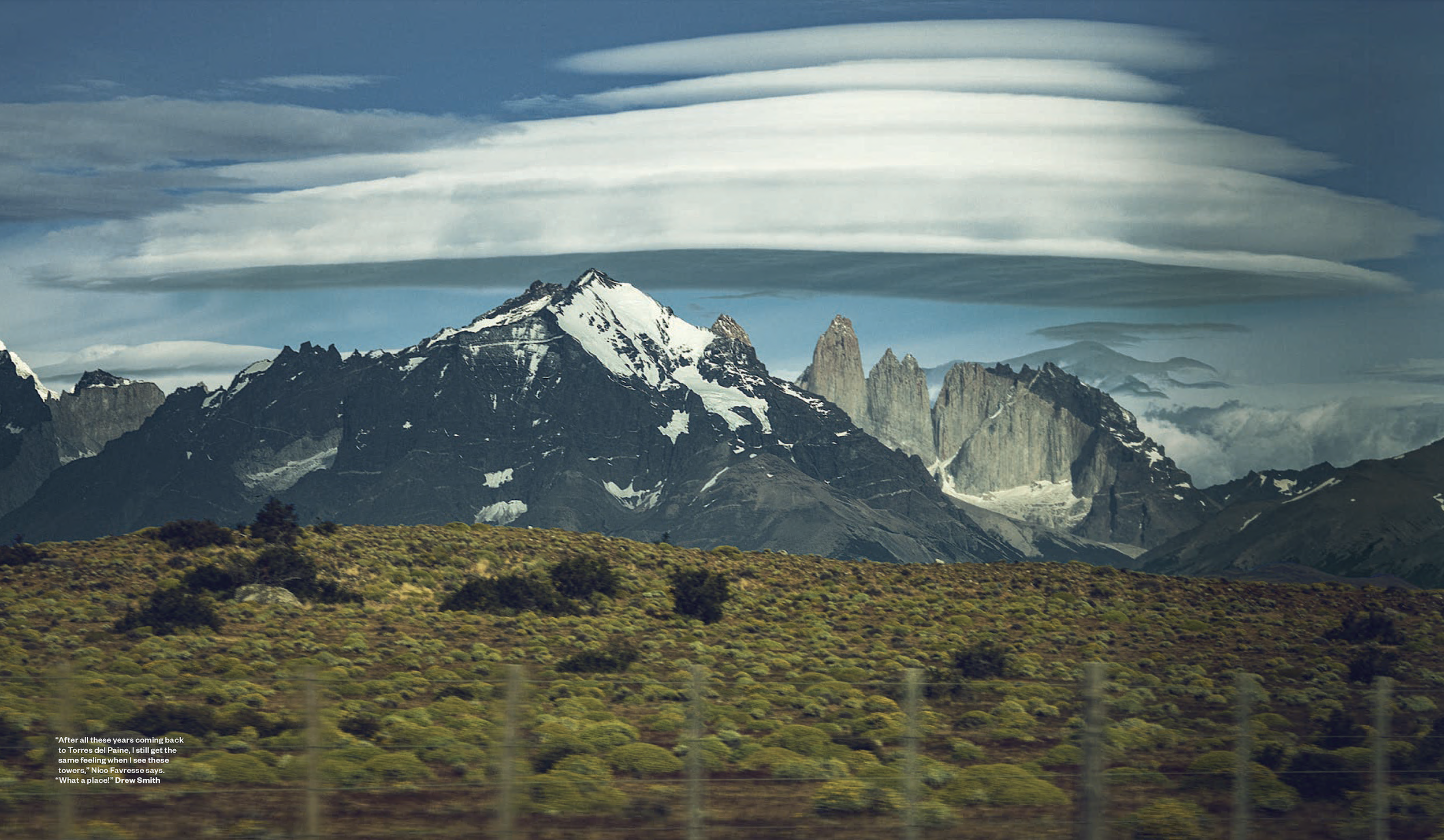
Patagonia Ambassador Sean Villanueva O’Driscoll digs for his daily ration on day 15 of Riders on the Storm. This was his, Nico Favresse and Siebe Vanhee’s first free ascent of the route. Torres del Paine National Park, Chile. Photographer: Drew Smith/Photo Editor: Kyle Sparks
You have an extensive background in art direction and photography, from Vogue India to Outside Magazine, from Red Bull Media House to the LA Times Sunday Magazine. What makes you a strong Head of Photography?
I love photography and have a deep relationship with it, but I’m an anomaly in that I’m not a technically trained photographer. Patagonia’s founding photo editor, Jennifer Ridgeway, describes successful Patagonia shots as less about technical virtuosity than “the right attitude of mind, the right spirit, the right image.” I guess I have the right attitude.
I’m looking at emotional connection and visual storytelling, while also understanding how the images will behave across our platforms and in retail. My grounding in typography and placement helps me anticipate where photographs will live, and having worked on both the design and photo sides — including managing photo rights — gives me a full, empathetic view of the entire process.
I was equally fascinated by Patagonia’s photography POV. What resonated wasn’t just how striking the imagery was, but how those images were made. There’s a fundamental difference between working in a controlled environment, remembering marks, managing lighting, following a script, and being fully present in unpredictable, high-stakes situations where the “photographer athlete” is also a participant. That balance of awareness, restraint, athleticism, and instinct felt distinctly Patagonia to me.
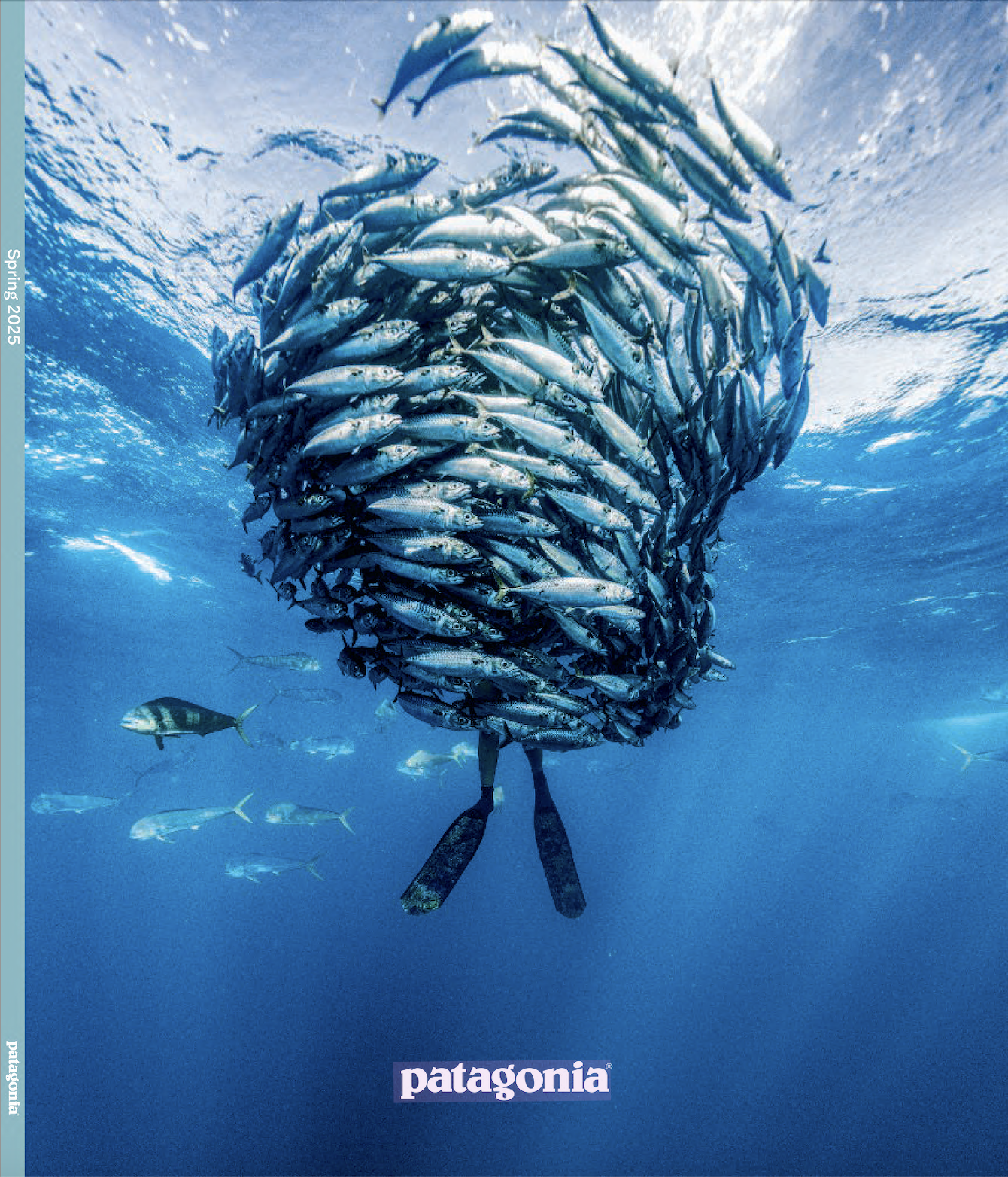
Now that’s a bait ball! Kimi Werner’s fins emerge from a silver vortex of mackerel, or as the circling mahi-mahi might call it, “breakfast, lunch and dinner.” At least, we think. We don’t speak fish. Photographer: Perrin James / Photo Editor: Jenning Steger
Is that why you were excited to come to Patagonia?
I was also enamored by the role women played in the company and photography, in front of and behind the lens. Ridgeway was our first art director and photo editor, and, in that role, she set the heart and soul of the images we know today. She published images taken by real people doing real things—climbers, surfers, customers, and friends sent in their raw, unpolished images; many of whom went on to impressive photography careers. The matriarchy of the photo department is real: in the brand’s 53-year history, I have the honor of being one of four women in this position. Women have held important roles at Patagonia photography from the very beginning.
Kris Tompkins was our first CEO — equally as inspiring, the company has a strong female presence at the table from the beginning. The point is, it doesn’t really matter who was first, because women have held the lineage of Patagonia photography and other important roles from the very beginning.
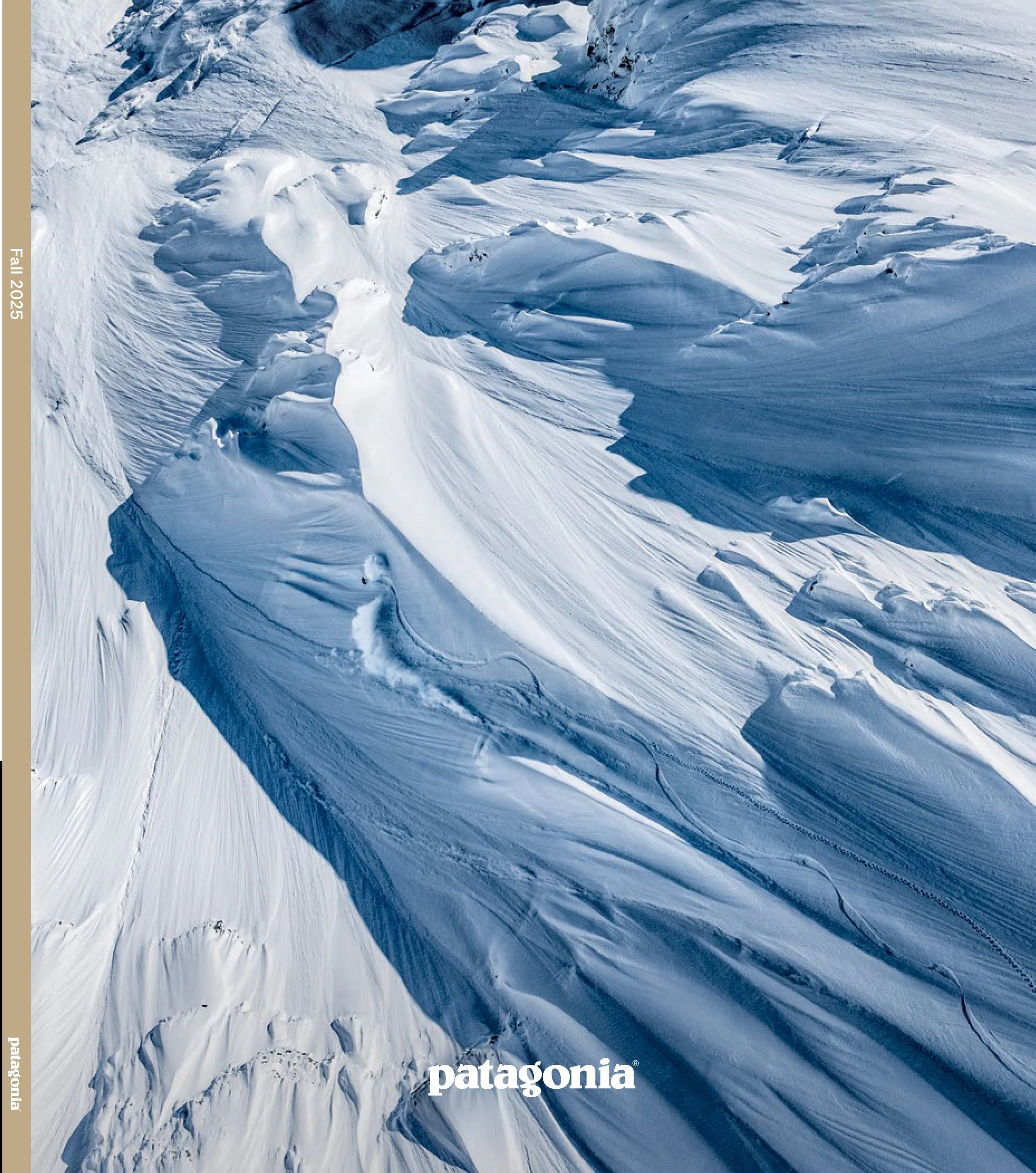
Ryland Bell spends his entire winter riding spines around his home in Haines, Alaska, so calling this one “the line of his life” is saying a lot ... until you hear it took a month of waiting on a remote glacier and a 4,000-vertical-foot bootpack to make it happen. Totally worth it. Photographer: Nicolas Teichrob / Photo Editor: Jakob Reisinger
What makes “great” photography at Patagonia?
Ridgeway captured it beautifully in a piece she wrote about Patagonia’s photography 40 years ago: “The goal of the photos is to sweep people away, to inspire them — to let them visualize what it’s like to be ‘out there,’ not stuck sitting at a desk or in front of a TV. The message is to get off your bum and get out there and do stuff.”
We believe a Patagonia image is earned, not designed — rooted in real weather, real effort, and real people living their lives without performance. It values imperfection over polish, documenting truth instead of manufacturing aspiration. It’s photography as participation: honest, human, and shaped by the belief that authenticity isn’t a trend but a way of being. We want to see the full expression of what it means to be human — the messy, joyful, difficult in-between moments that have a deep emotional connection.
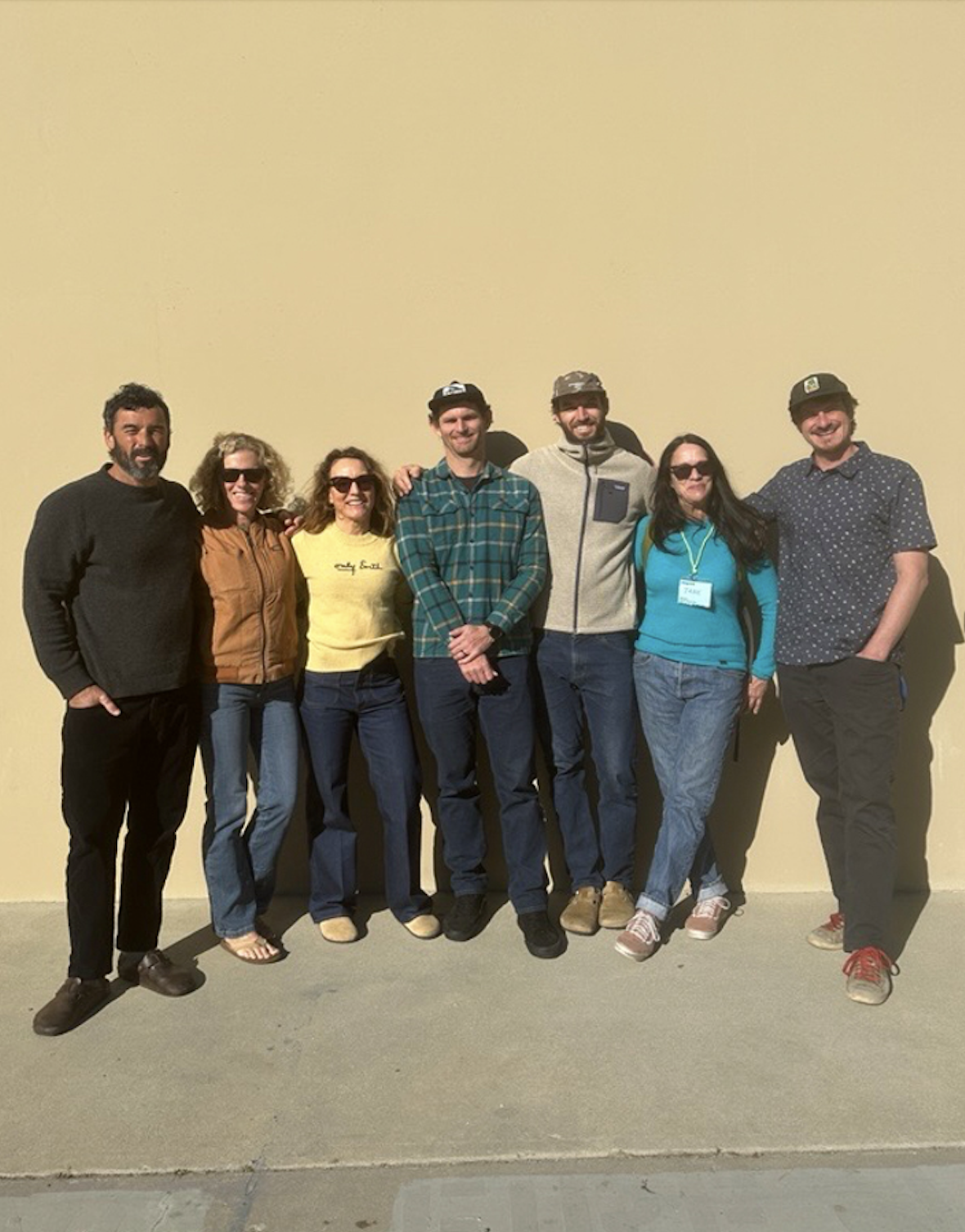
Photo Team: Left to Right. Tim Davis, Jenning Steger, Heidi Volpe, Kyle Sparks, Rich Crowder, Jane Sievert, Jakob Reisinger. Not present, Angelo Partemi, Tee Smith, Art Lemus.
As a creative leader, how do you see the role of AI in photography?
At Patagonia, I don’t see it. Period. Real photography is cultural leadership. In a time of deepfakes and algorithmic sameness, Patagonia can take a stand: real light, real landscapes, real people matter. Unscripted images build trust with younger audiences and reinforce Patagonia’s commitment to the human hand.
The photo program here is an intentional act of stewardship and a commitment to authenticity at a moment when truth is increasingly rare. We, as a photo team, steward along our photographic legacy, ensuring it moves forward with integrity, relevance, and purpose.
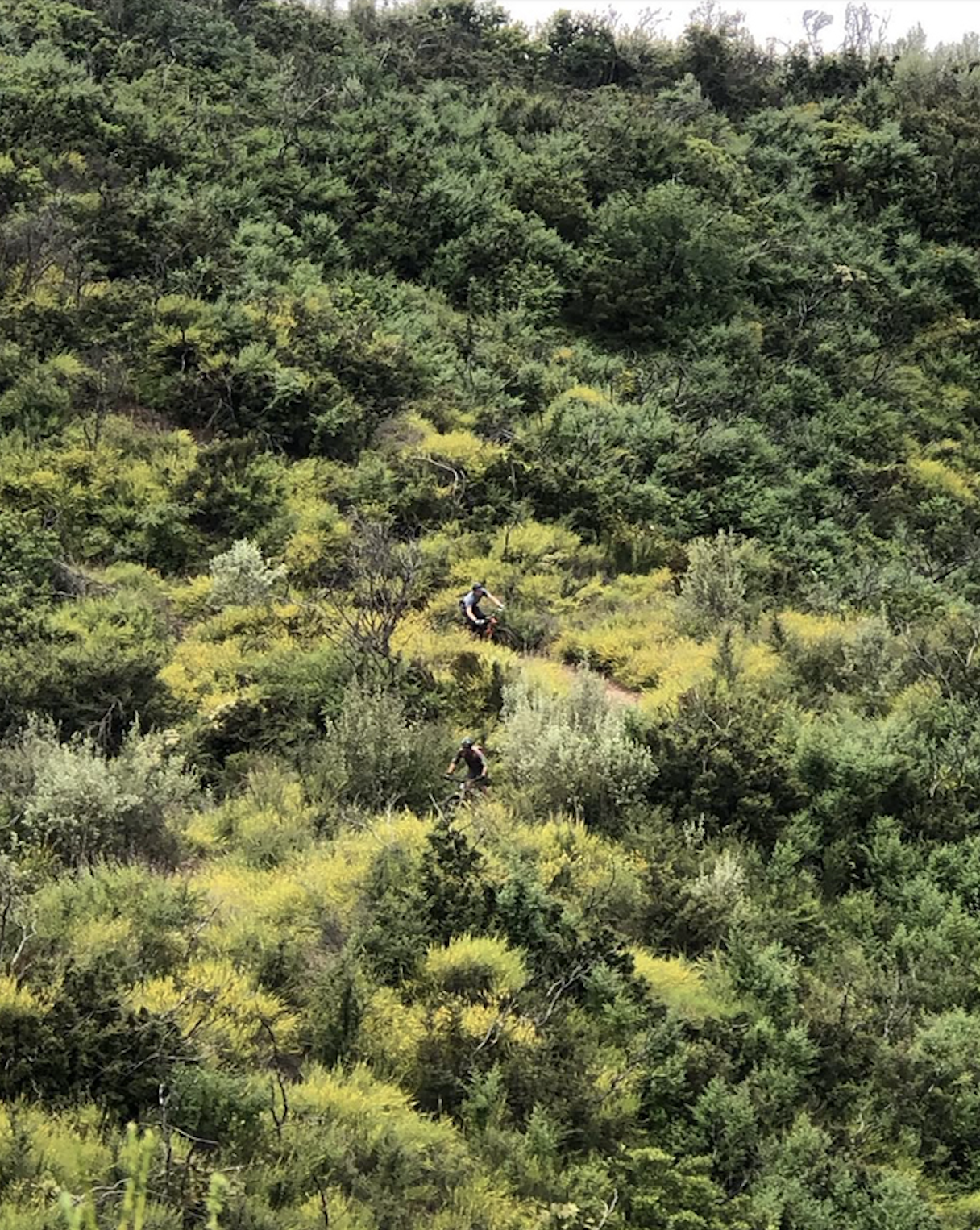
Volpe and Reisinger having a 1:1 meeting.
Do you have a tactic or exercise that you do with your team to keep them inspired creatively?
We have started doing a meeting icebreaker about the stories behind a photo. Jane Sievert, one of our founding photo editors and Ridgeway’s protege, has been here an impressive 40 years. We are trying to pull out some Sievert stories, I guess is the best way to put it. So I’ve been asking her to pick a photo in the archive, and then she’ll tell the backstory. We have a strong belief here in mentoring and storytelling, and that moment with Sievert is impactful.
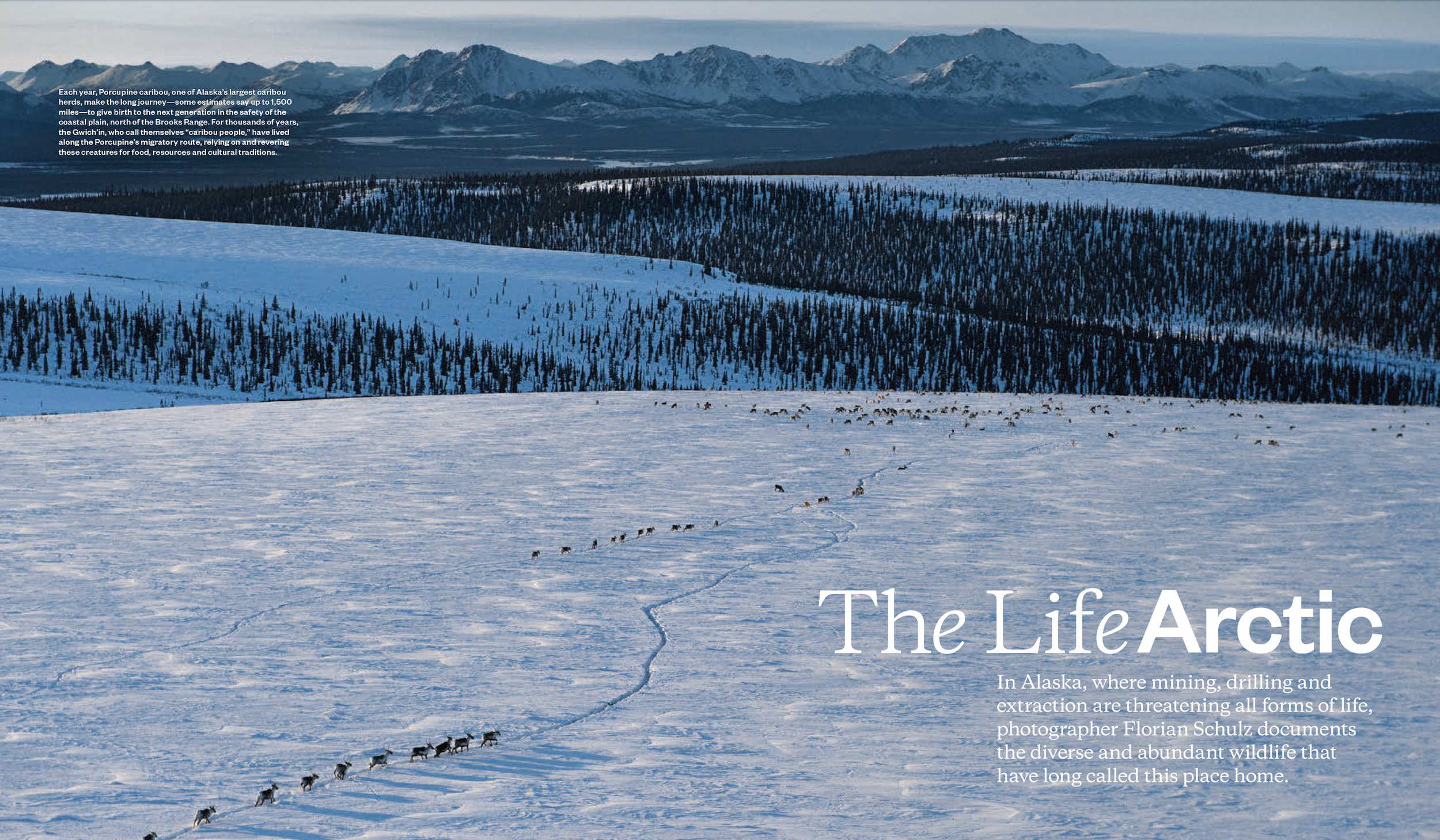
Members of the porcupine caribou herd are migrating to the Arctic National Wildlife Refuge on the south side of the Brooks Range, Alaska Photographer: Florian Schulz / Editor: Heidi Volpe
How do you run your meetings to keep them creative and effective?
I like to run meetings in a tight/loose fashion, to have agenda points but then leave space for things to unfold. I prepare diligently, which shows respect for people’s time. As a team, we use a rubric: Inform, This Week, Discuss, Decide, and Bike Rack.
Let me explain that last one. I realized that sometimes we weren’t “finishers,” and there are so many times when you can’t finish a project in one sitting. “Bike Rack” is a way to say, “Hey, we talked about this, but we didn’t come to a resolution, so we’ll bike rack it.” It’s just a fun term for how we make sure we’re tracking the topics we’re talking about.
I’ll also assign a “Squirrel” to keep us on track, because leading a meeting and taking notes at the same time is hard. When we are too far off-topic, this person raises their hand and says “Squirrel!” to bring us back on track. It’s been very effective.
Most importantly, I work to create space to listen to others, creating an informal, respectful environment for people to share thoughts and ideas freely. It’s not engaging to have information flow one way. You need a good volley. The culture at Patagonia bubbles up from the bottom and our best ideas come from those engaged in the work. The rubric idea evolved from someone on our team and I built on it.
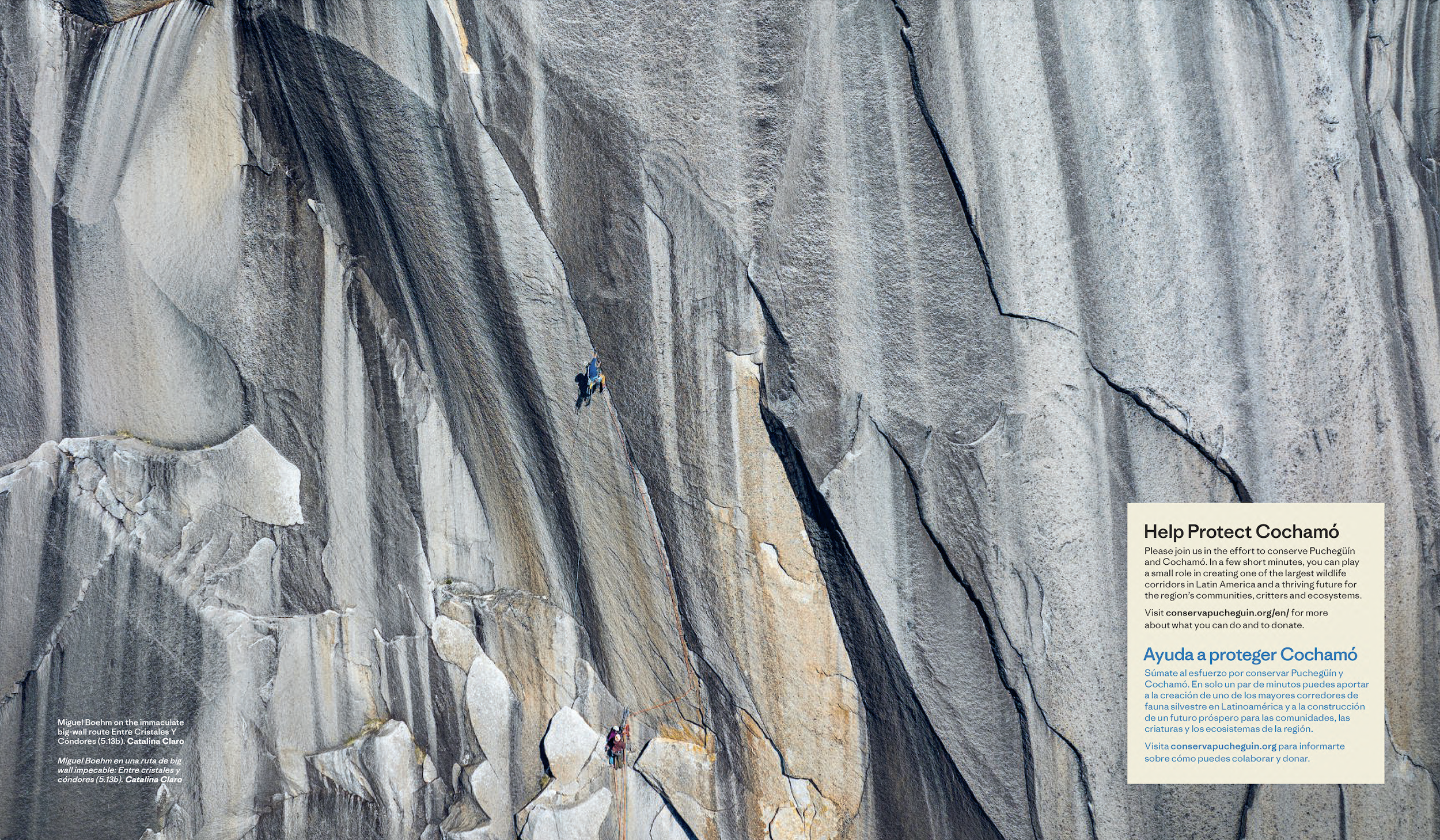
Miguel Boehm on the immaculate big-wall route Entre Cristales Y Cóndores. Photographer: Catalina Claro / Photo editor: Kyle Sparks
In a digital-first world, Patagonia still produces a physical catalog. Why?
We make the Journal because it’s a living record of who we are and how our community shows up in the world.
It’s a place to hold the stories that come from real lives, not campaigns. It’s where our values take shape in writing and photographs, and where the messier, truer storytelling pieces find a home. The Journal slows the reader down, offering a break from the scroll and an invitation to sit with something real: something worth returning to long after the season has passed.
It also ties back to our commitment to cultural history. Patagonia uses the catalog to inspire you to go out and experience the world, immerse yourself in storytelling, protect the places we play, and mobilize people to stand for what they believe in.
I remember one of the first meetings I was in, we were discussing the rigor of the printed piece made with non-toxic glue, recycled paper, and environmentally friendly inks. Everything is scrutinized to make sure we live our cultural truths, such as “do no harm.”
You actually upcycled one of those catalogs, didn’t you?
Yes! During COVID, I used some pages from the catalog to make little Chai cups. Then I put them out in the rain, let them get mushy, and reformed them into coasters. Finally, I took the pulp from that and made an egg carton. I just iterated all the way through. It confirmed that we walk the talk: the pages can be repurposed.
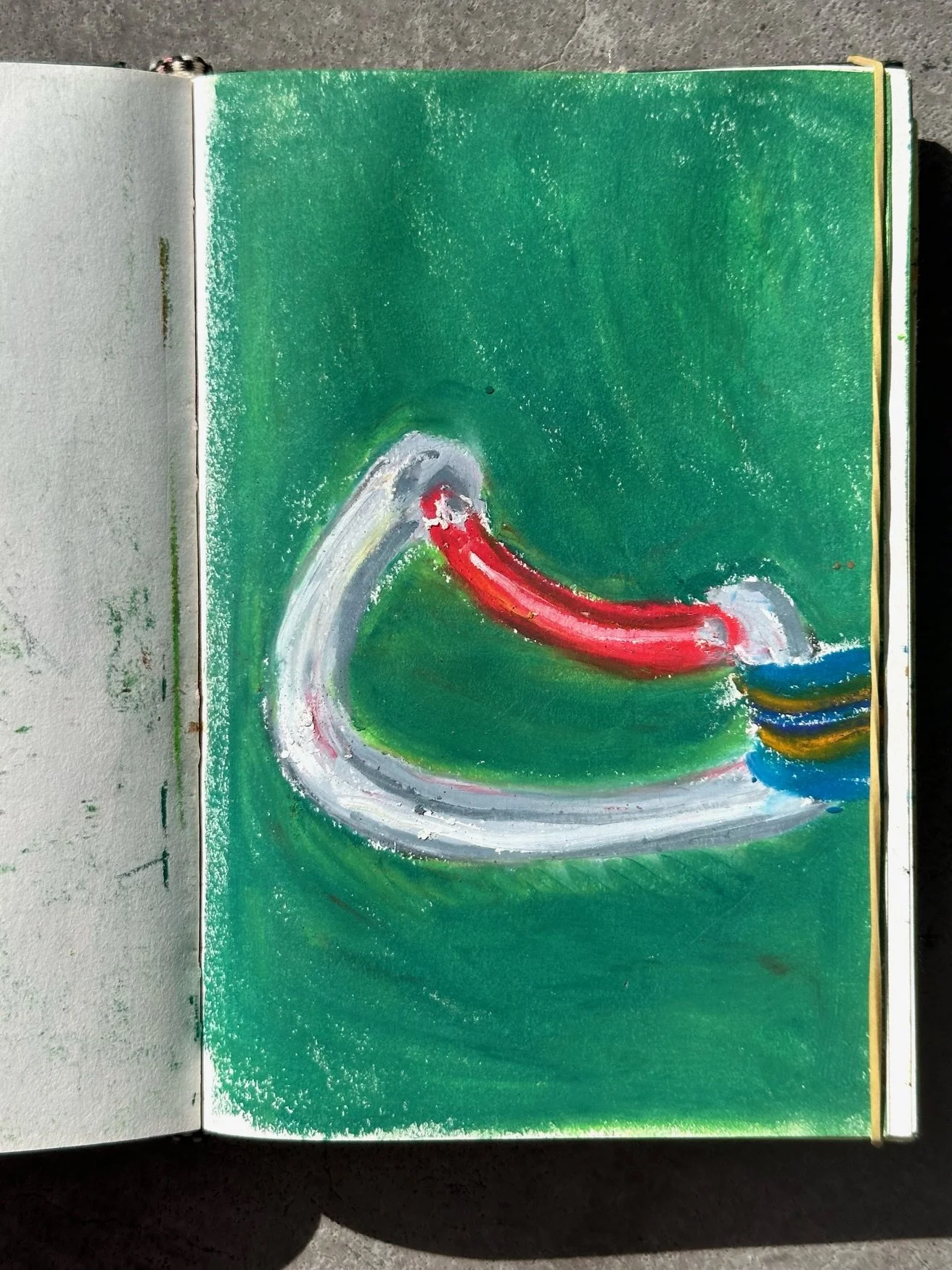
At first, Volpe was interested more in drawing than photography.
What originally sparked your creative path?
I was really inspired by drawing. I used to bring a drawing journal to the crag when I climbed in the Shawangunk Mountains in upstate New York. We were a party of three, so there was downtime in between the climbing and belaying.
Drawing allowed me to look at shape, color, and light to define use of light, as that translates into photography. These drawings were simple and crude, but it was a way to flex a different creative muscle. Now, I look for that same observational quality in the photos we curate — images that feel authentic and spirited, not just technical.
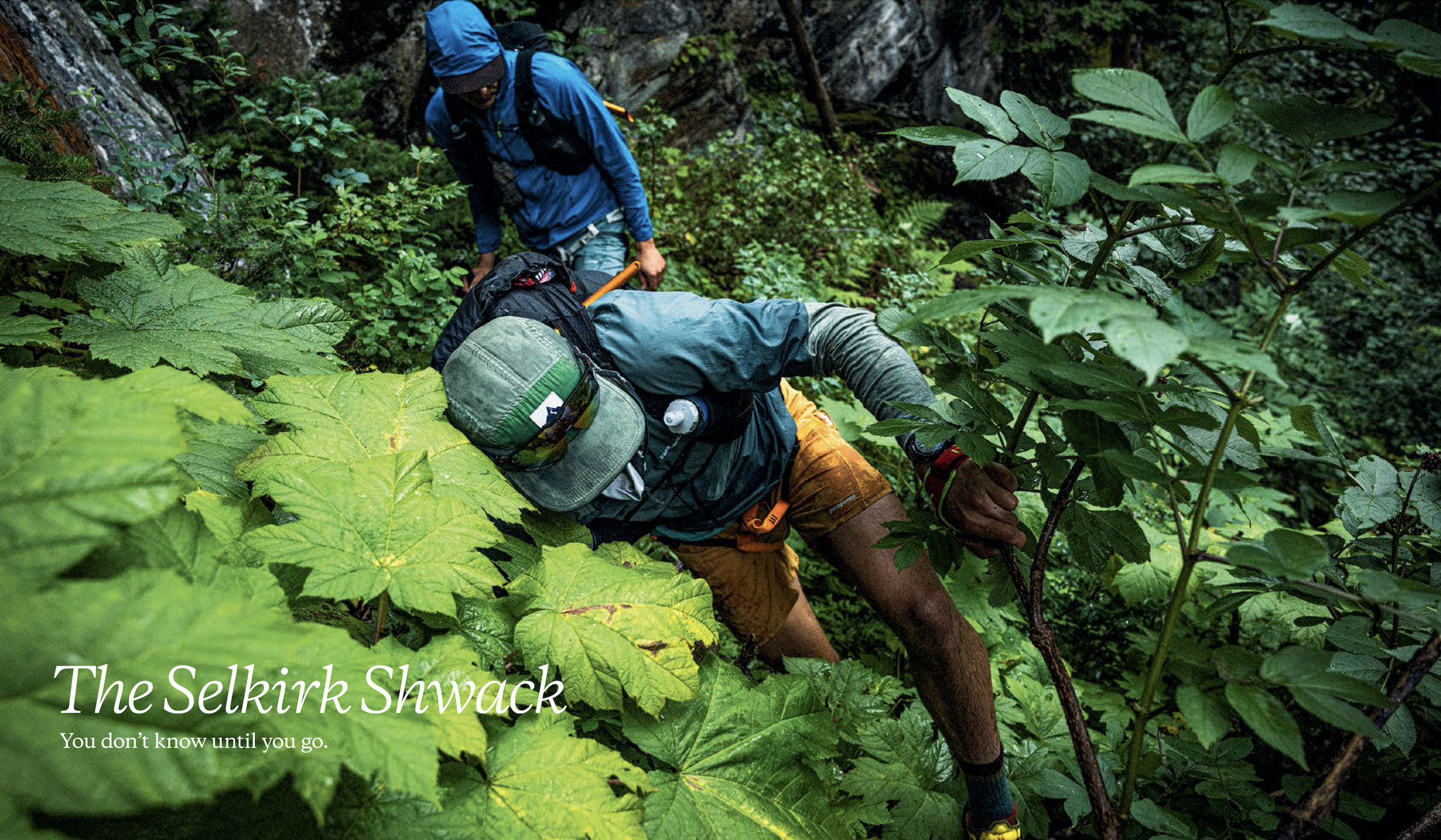
Tristan Kodos and Evertt Craig get up close and personal with the Selkirks’ bountiful slide alder and devi’s club. Photographer: Matthew Tufts / Photo editor: Jakob Reisinger
In your role, you have to have excellent taste. How have you developed and nurtured yours?
Taste develops from curiosity and emotional honesty with photographs. I try to move beyond the question “Do we like this image?” to something more fundamental: What story are we trying to tell, and does this photograph help tell it?
A lot of that happens through editing. Editing is where taste really lives. It’s about restraint and clarity — knowing what belongs in the story and what doesn’t. Strong editing respects the viewer’s attention, which feels especially important right now when we’re all flooded with images. For me, taste isn’t about having the right opinion; it’s about building a relationship with photography that stays curious, rigorous, and emotionally open to what Patagonia’s goals are.

Join more than 50 leaders from top organizations, including Spotify, Amazon, Disney, Shake Shack, Stripe, NASA, Cannondale, Hearst, Roblox, Clay, Paramount, and Mailchimp.