The Art of Decision Making: Jeff Hammoud on Leading the Design of Rivian
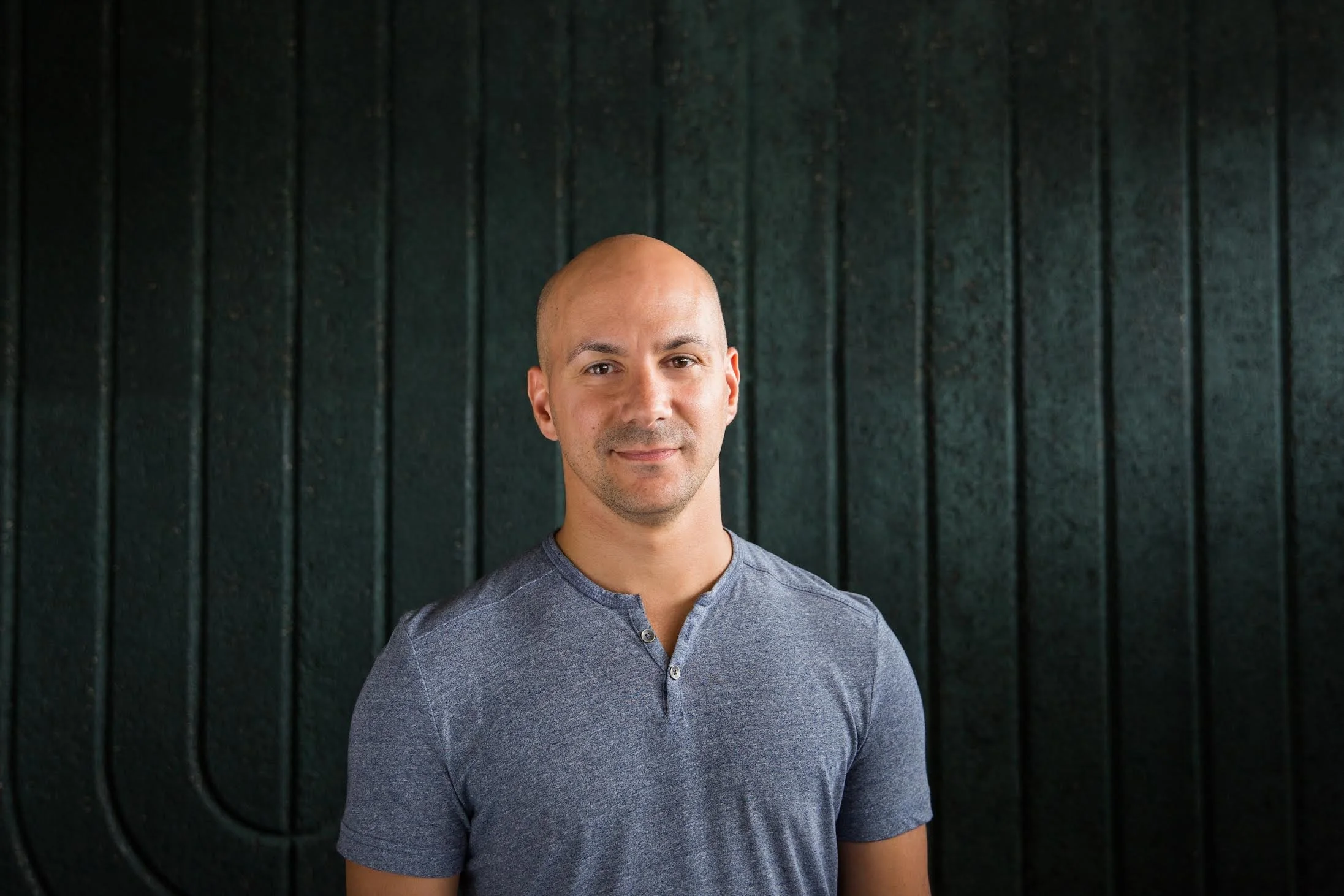
Jeff Hammoud loves cars. He works on them during the week and tinkers on them during the weekends. Images: Rivian.
When Rivian Chief Design Officer Jeff Hammoud is off the clock, you can probably still find him working on cars. Last Christmas he built a “really nice” shed at his Irvine, California home and it’s there he enjoys taking cars apart, combining pieces from various models to create the perfect version of something he’d like. “I strive for what’s called Original Manufacturer Plus,” he says. “The car looks like it came from the factory, even though I've changed many things, from the parts to the paint to the stitching.”
“When you’re at work, you’re always creating for a customer,” he adds. “It’s nice to do a project for yourself, but being your own client is actually difficult because you have all the options in the world.”
This spring, the American car company will release an all-new R2 with an elevated design that’s still unmistakably Rivian.
Prior to this, Hammoud was the Chief Design Officer for the Jeep brand, so he has led design teams for over 10 years. Here, he shares how he manages a team of 135 people across multiple disciplines, why he believes the best design leaders are masters of communication, and why the hardest thing to do is to make something everyone knows could only come from you.
The Most Useful Peer Network for Creative Professionals
Creative Factory is a private, highly vetted leadership community for brand leaders.
Join peers from Amazon, Shake Shack, Roblox, Procter & Gamble, and more.

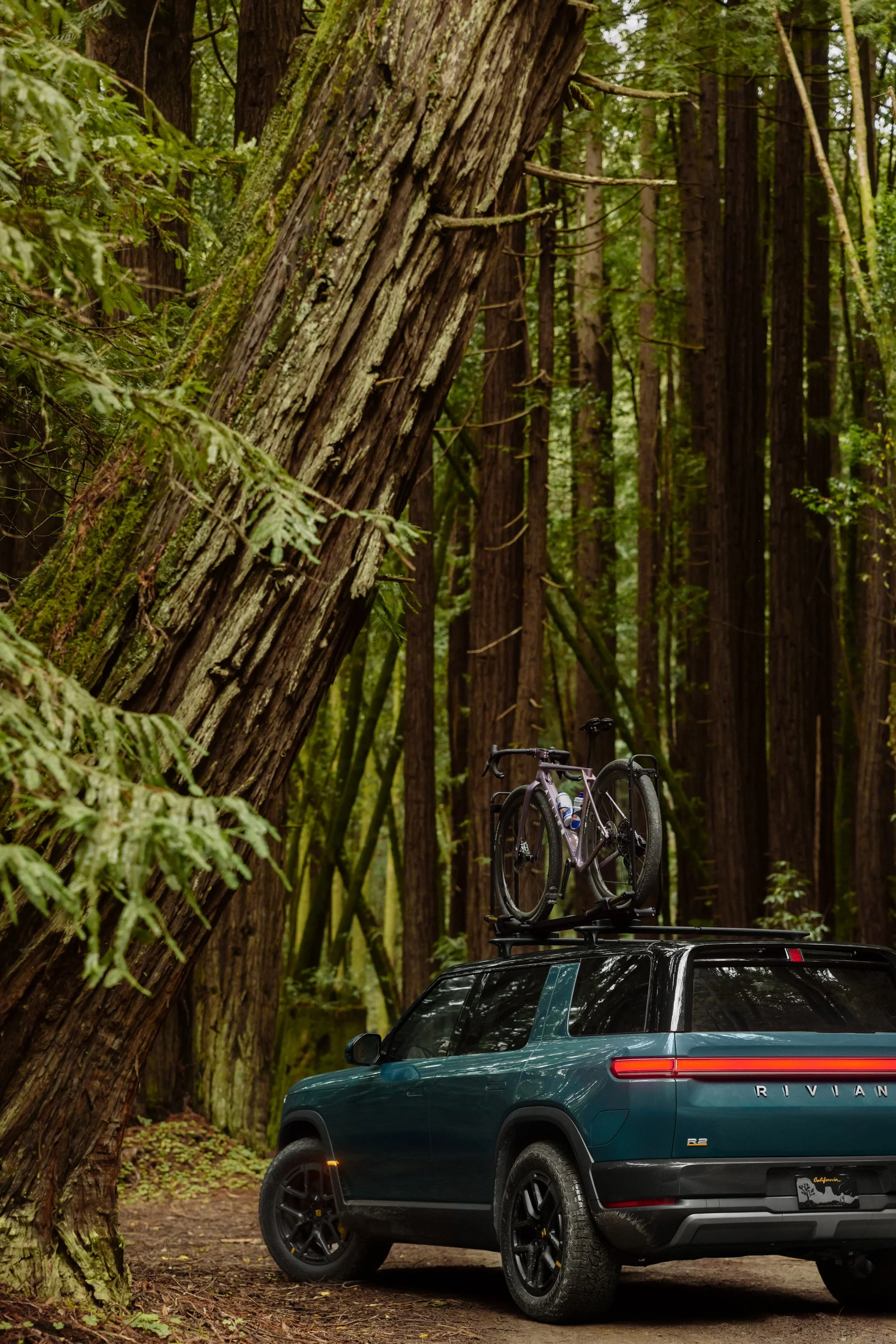
The new R2 vehicle has an elevated design and new technology, but it is still oh-so-Rivian.
You’re a builder at heart. Was there something you crafted early on that sparked your interest in design?
Even before entering the professional world, I was always into art and making things. When I was 13, I designed a cabinet for my Nintendo system. I found some leftover laminate wood in my dad’s garage, bought hinges, and created this little table with fold-out arms to hold controllers. I was always taking tools from my dad’s garage; he was very nervous about it, always asking to check my fingers!
What drew you specifically to automotive design?
I’ve known I wanted to be a car designer since I was six years old. My dad had a Mercedes, and they used to send magazines to the house. I remember a section on the designers of the time, specifically Bruno Sacco, who was leading all of design for Mercedes. Seeing that sparked something, and when I asked my parents about it, they said, “Somebody has to design these cars.” At that point, I learned it was a profession and decided that’s what I wanted to do.
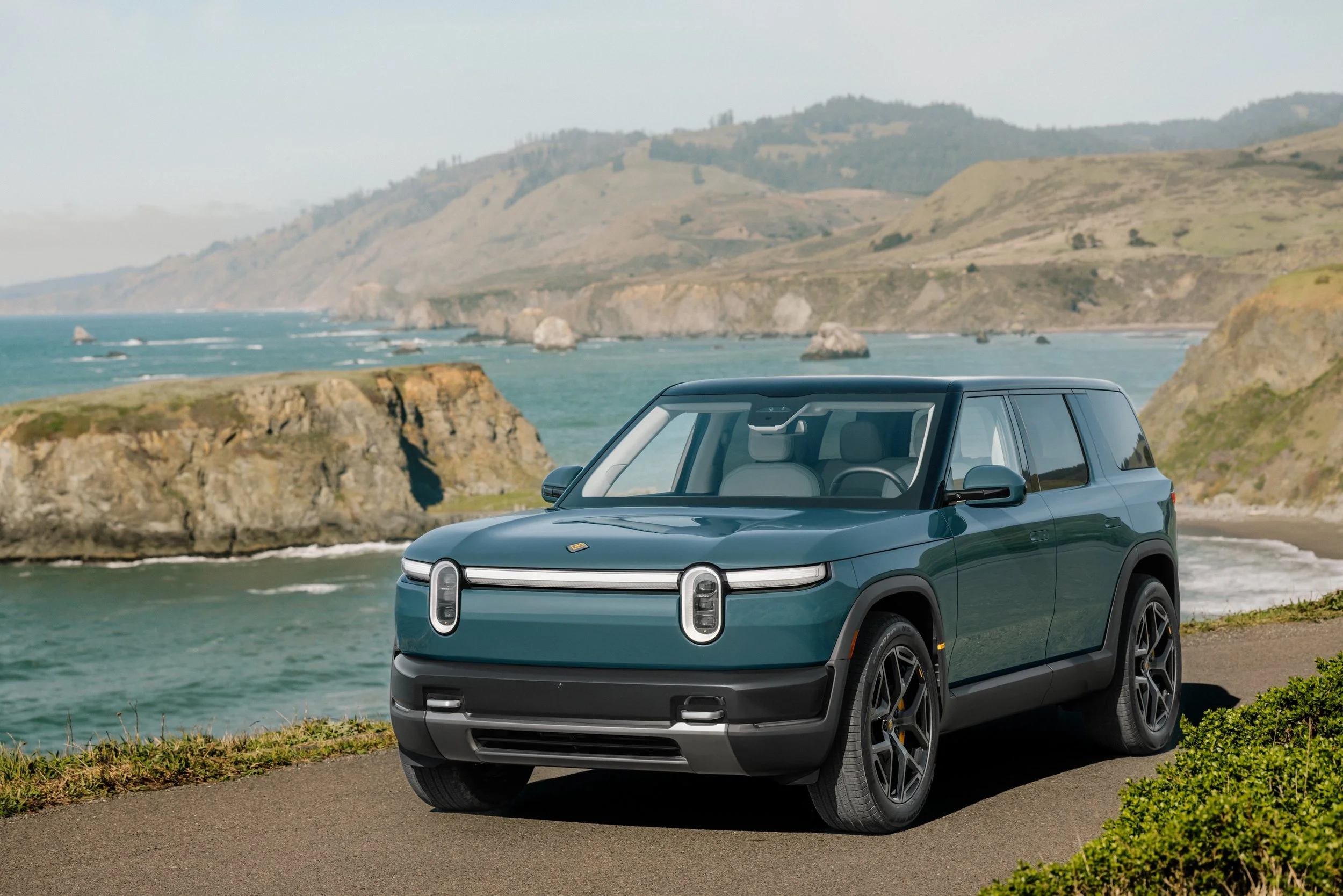
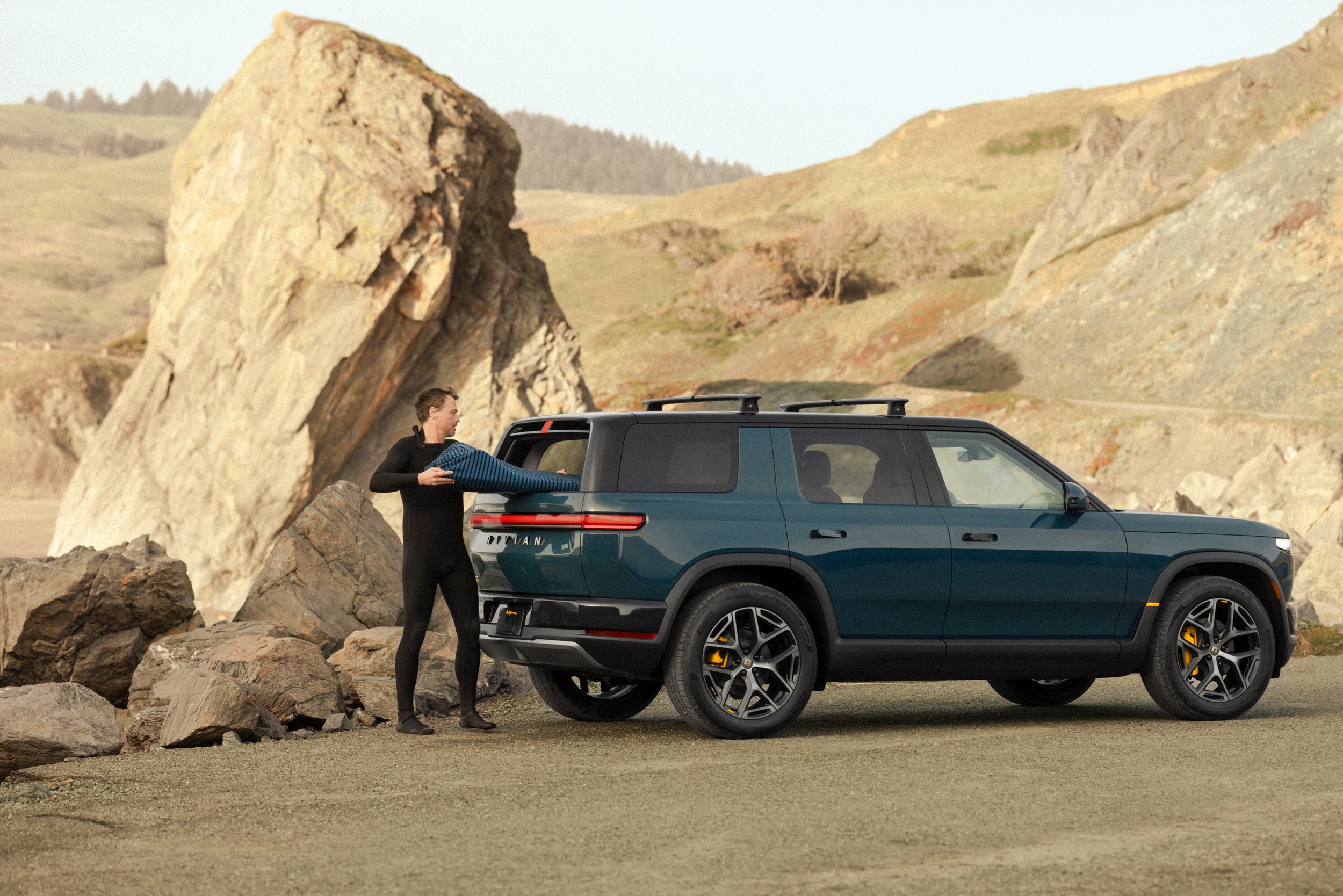
Catalina Blue, so true!
Your role at Rivian is incredibly wide-ranging, from designing the vehicles to guiding the brand. How is your team structured?
I joined Rivian because I wanted the opportunity to create something from nothing. Originally, my scope was just vehicle design, but it has grown significantly. My team is roughly 135 people, dispersed between Southern California and the Bay Area.
I don’t have a traditional role. Within my team, I have exterior design, interior design, color and materials, and UI/UX – but not just for the vehicle; it includes the mobile app and the website. I also oversee digital surfacing (getting the car ready for tooling), prototyping (clay modeling, fabrication), and studio engineering, which acts as the interface between design and science.
About a year ago, “Design Quality and Perceived Quality” was added to my remit. That covers setting specifications for gap and flush, grain, and gloss levels, as well as approving every single part that goes on the car before it hits the supply chain.
Hammoud breaks down his workday by topic, from vehicle design reviews to color and material ideation.
That is a massive amount of information to keep in your brain. How do you handle that scope?
The biggest challenge is being extremely detail-oriented while trying to elevate out of the details to manage the team. Because we are a hands-on company, I have to be involved. However, the scope is manageable because we don’t have 10 different product lines.
How do you structure your day to switch from tactical meetings to high-level creative direction?
I have a tighter schedule to compartmentalize. I break my days out by topic: design reviews for vehicles, ones specific to the digital front, and others for color and materials. It’s up to the leaders of those teams to hold the agendas.
We also have breakout staff meetings for specific teams, and then a meeting to pull all the leaders together to connect the dots. The key is separating moments for tactical execution from open, creative discussions. When we are in execution mode on a specific car, the team is heads down. It's up to me to find separate times for open, creative discussions on future products that aren’t tied to a specific agenda, where we can let everyone drop their guard.
What is the designer’s role in the C-suite, especially at a company scaling?
My number one job as Chief Design Officer is to make sure design has a voice. It’s not my job to come up with all the ideas; it’s my job to empower the team.
I converted to the business side early in my career by getting my MBA. I think it is important for a designer in the C-suite to understand the entire business. Yes, design is one portion, but we are also a business trying to make money and execute on quality. We are trying to scale, which is different from doing bespoke, multi-million dollar products. It’s about learning where to invest the right amount of money into the product and how to scale for quality.
What is your tactic for selling an idea through?
The best designers, and even more so the best design leaders, are the ones who can convince other people that your ideas are theirs. When people believe it’s their idea, they will fight for it. That’s when you’ve mastered something. You don’t even need to push it anymore, because other people are fighting for it.
How has your leadership style evolved as you moved from a Director level to a C-suite executive?
I’ve always been very much into the details, and I still believe in giving very transparent, clear feedback. Clarity is vital for designers. But one thing I’ve had to learn is that as you move up, people hang on your every word.
If I’m too direct, a designer might follow exactly what I say just because I said it, rather than solving the problem. I’ve had to learn to give feedback that drives a solution without dictating the exact path. It’s a balance of staying in the details while creating an environment where the team feels they have the agency to solve the “why” behind my feedback.
How do you view “good taste” in design? And how do you develop it?
I think designers can refine their tastes, but you can just tell when somebody inherently has better taste. The challenge is that to be a talented designer, you need to know how to tell a story to sell something highly subjective.
To develop taste, I push my team to look outside of automotive for design trends, specifically at the fashion industry, where the product lifecycles are much quicker. If you’re referencing a car design trend today, that was designed three or four years ago. If you want to be a leader, you have to be curious and look for new technologies, rather than just being a trend follower.
Who is your creative spirit animal?
I’ve mentioned Bruno Sacco, and that era of automotive design really stuck with me. I also love architecture. If I weren’t an automotive designer, I would have loved to design buildings. My favorite architect was Zaha Hadid. I love all of her beautiful, organic work. Her buildings have so much character. The thing I love about her work is that you can be anywhere and see it; you automatically know it’s hers. As a designer, creating that kind of visual identity is incredibly hard.

Join more than 50 leaders from top organizations, including Spotify, Amazon, Disney, Shake Shack, Stripe, NASA, Cannondale, Hearst, Roblox, Clay, Paramount, and Mailchimp.