10 Creative Legends on Craft, Obsession, and Artful Mess
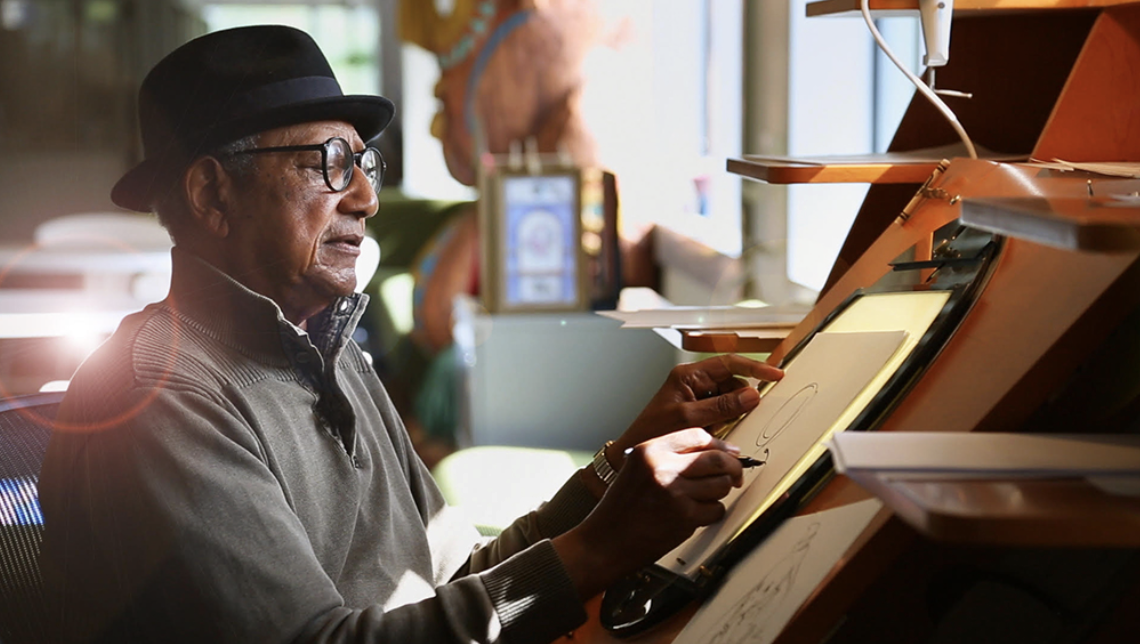
Disney’s first Black illustrator, Floyd Norman, creates on his own terms. Photo courtesy of Floyd Norman: An Animated Life, Fiore Media Group.
The Most Useful Peer Network for Creative Professionals
Creative Factory is a private, highly vetted leadership community for brand leaders. Join peers from Amazon, Shake Shack, Meta, Roblox, Procter & Gamble, and more.

Despite wildly different creative personalities, temperaments, routines, mediums, and generations, the most enduring creative minds tend to revisit the same questions: Where do ideas come from? What do you do when they don’t show up? What does it take to keep going, decade after decade?
Take Yayoi Kusama, who walks to her studio nearly every day to explore her fears (sex, war, oblivion) in the form of dots: Big dots. Little dots. Polka dots. Pumpkin dots. Or Tom Petty, who regularly pulled all-nighters in his recording studio, chasing the same adrenaline high he got from performing live. Or Toni Morrison, who worked a full-time job and raised two children alone, frequently looking for small windows of time in the early mornings to write.
These creators are wildly different, yet their creative processes do have one thing in common. They are relentless.
Here, Lin-Manuel Miranda, Bob Dylan, Toni Morrison, Bruce Springsteen, Lorne Michaels, Yayoi Kusama, Floyd Norman, Judy Blume, Hunter S. Thompson, and Joan Didion share their creative wisdom on craft, obsession, and the artful mess of it all.
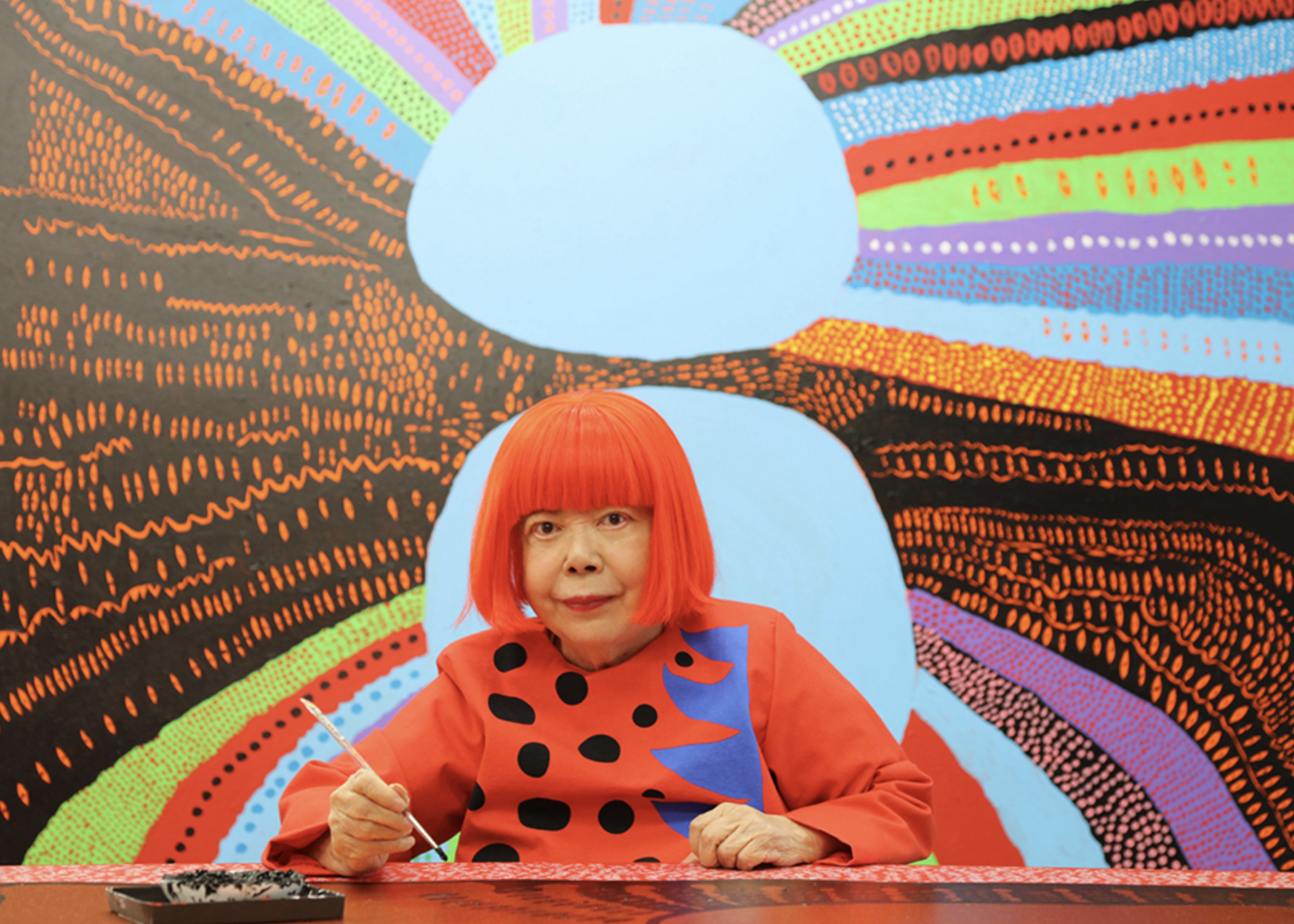
Yayoi Kusama has spent nearly her entire 70-plus year creative career painting dots. Photo courtesy of the Yayoi Kusama Museum.
1. The “Magic” Myth Gets Debunked, Repeatedly
Almost everyone pushes back against the romantic idea of effortless inspiration. Lin-Manuel Miranda once said, “I don’t see creativity as magical. It’s about problem-solving in ways no one has tried before.” Similarly, Bruce Springsteen believed instinct alone won’t sustain you. One needs craft, because that is what takes you further when things get dicey. Bob Dylan actually had to teach himself to slow down after years of moving too fast. “I needed to slow my mind down if I was going to be a composer with anything to say,” he said.
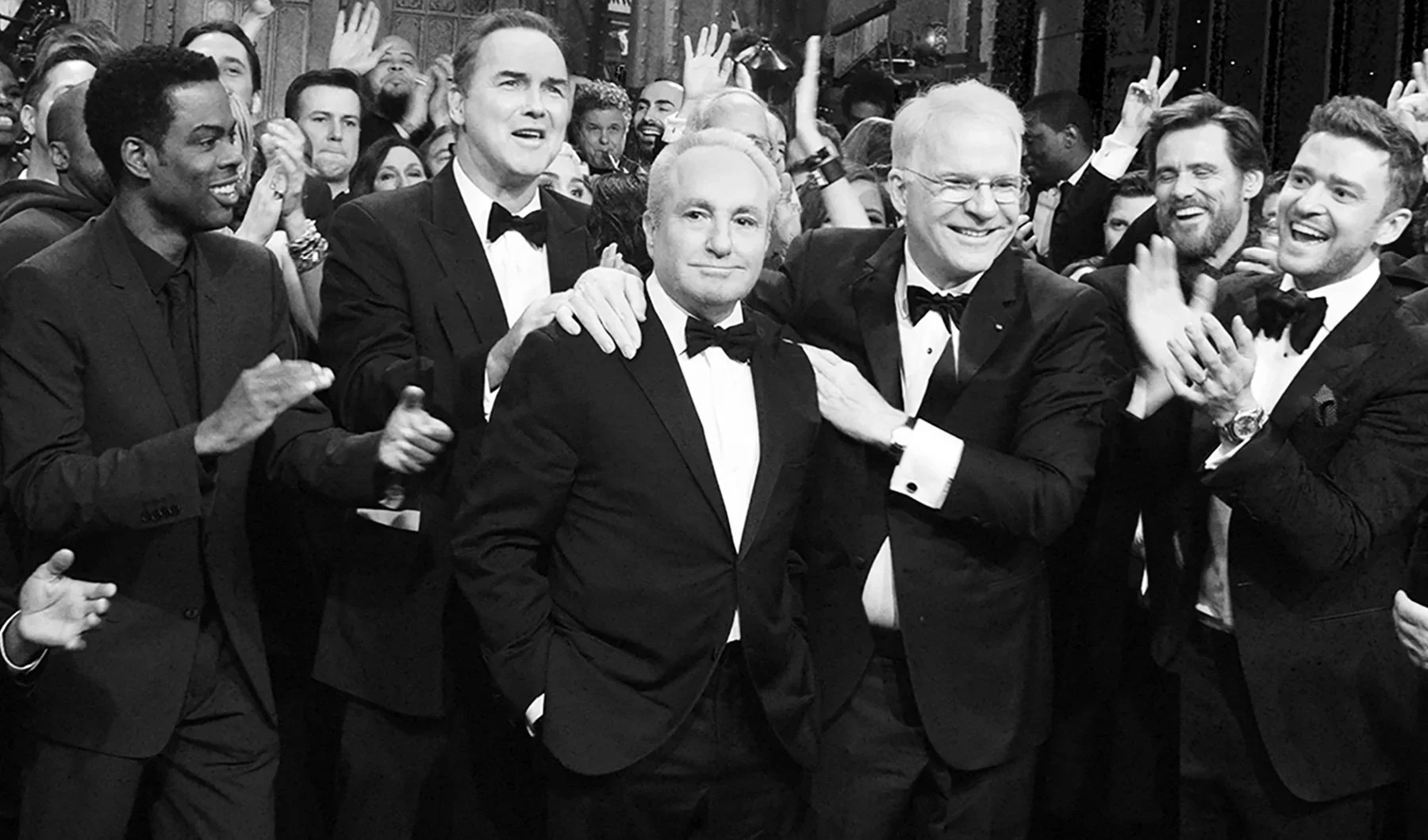
Lorne Michaels has spent 50 years running Saturday Night Live. Photo courtesy of Penguin Random House.
2. Disorder is a Feature, Not a Bug
There is hardly such a thing as a “neat” creative process. Lorne Michaels once said, “People always think that if the process was better organized, it would work better. They don’t realize there is more invention in disorder.” For Miranda, too, the creative process is messy. “That’s how you know you’re doing something real,” he said. Kusama frames it as a leap into the unknown: “If the true shape of this peak would have been knowable, my life would have turned to grey.”

Bruce Springsteen still plays four-hour concerts at age 75 because his creative passion burns bright. Photo courtesy of Disney/Hulu.
3. The Work is Not Separate From the Difficult Stuff
Kusama has been very open about her mental health battles. “I fight pain, anxiety, and fear every day, and the only method I have found that relieves my illness is to keep creating art,” she said. Similarly, Springsteen writes to cope with what he calls “random trauma-inducing chaos.” Judy Blume picked up her pen to escape an unsettled feeling of suburban domesticity and write freely about childhood. And Hunter S. Thompson found in journalism a way to make sense of a world that was very weird to him.
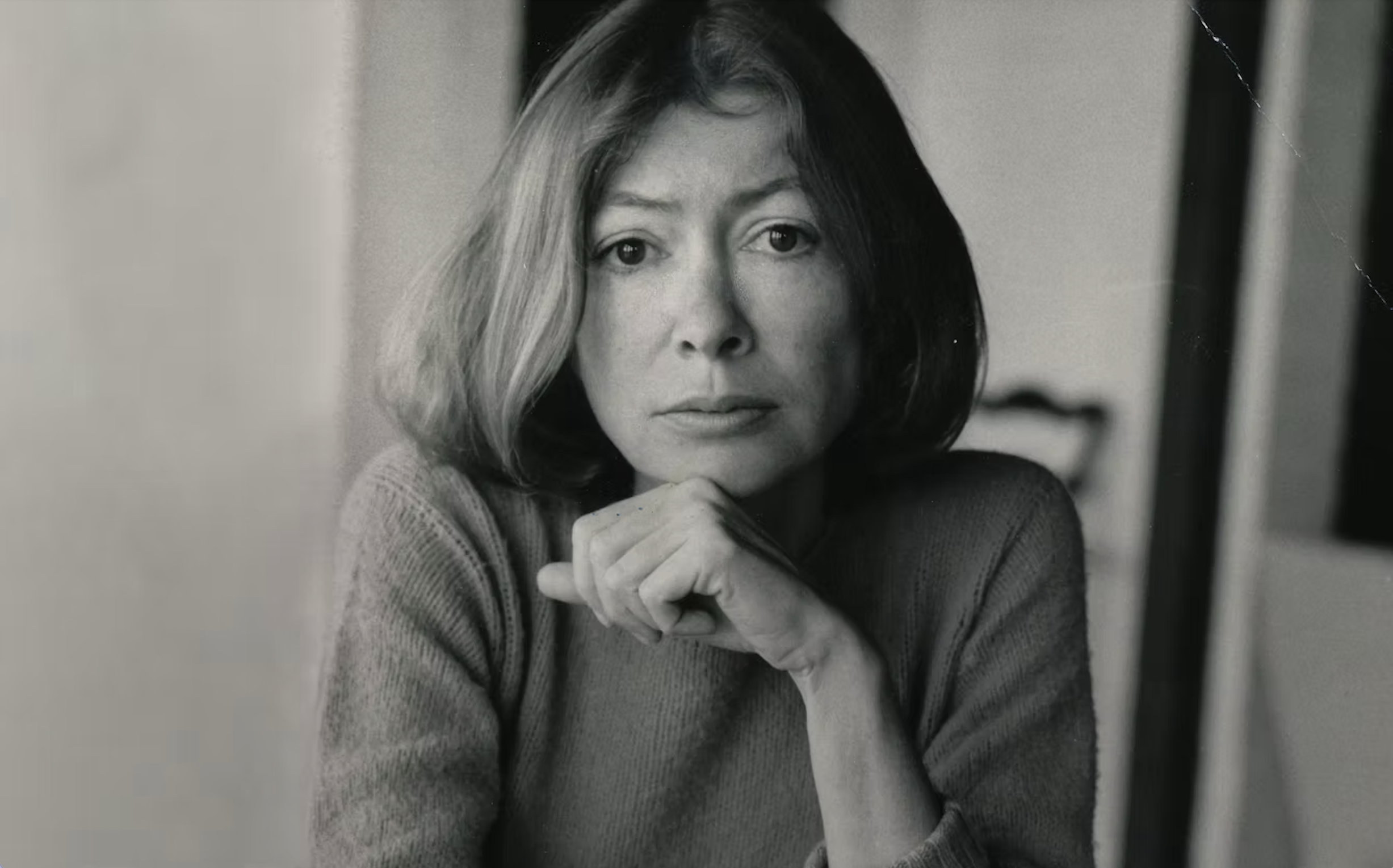
Joan Didion lived a wildly creative life with the magic of letters, words, and narratives. Photo courtesy of joandidion.org
4. There Isn’t a “Universal”
When asked why she didn’t write stories about white people, Toni Morrison answered, “I never asked Tolstoy to write for me, a little colored girl in Lorain, Ohio. I never asked Joyce not to mention Catholicism or the world of Dublin. Never. And I don’t know why I should be asked to explain your life to you. We have splendid writers to do that, but I am not one of them. It is that business of being universal, a word hopelessly stripped of meaning for me.” Joan Didion, too, wrote entirely from her own experiences. She underscored the role of the unassuageable self in one’s observations of the world: “However dutifully we record what we see around us, the common denominator of all we see is always, transparently, shamelessly, the implacable ‘I.’”
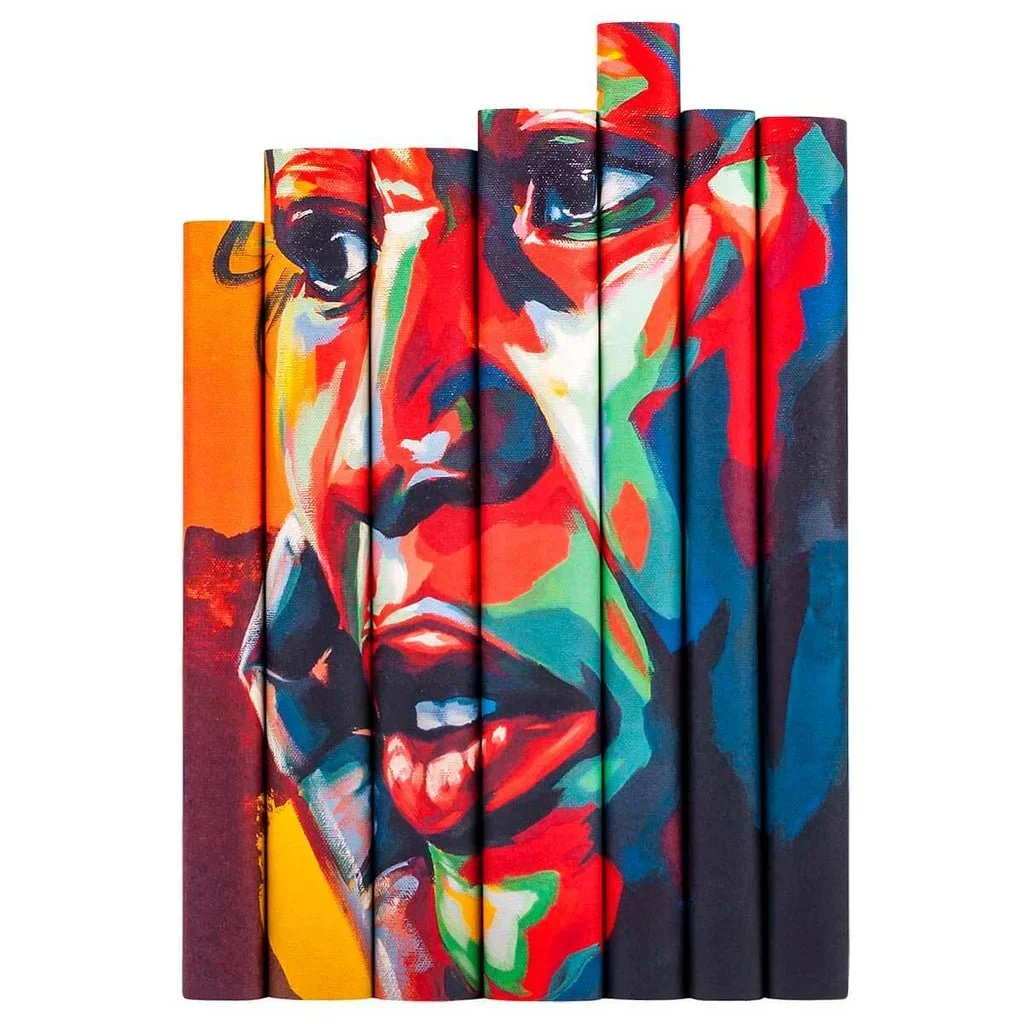
Toni Morrison woke up every day before the sun to write. Original portrait by Thomas Evans for this Juniper Books set.
5. They’re Going to Create Until the Wheels Fall Off
Creators make things over lifetimes, not just years. Springsteen, now 76, still plays epic, four-hour-long concerts because he wants to. Just like Dylan, 83, who is still touring. Or Floyd Norman, Disney’s first Black illustrator, 90, who believes that as long as you’re alive, you’ve still got time to do what moves you: “Why would you put off what you want to do? Why not simply do it every day of your life?”

Join more than 50 leaders from top organizations, including Spotify, Amazon, Disney, Shake Shack, Stripe, NASA, Cannondale, Hearst, Roblox, Clay, Paramount, and Mailchimp.