Got a Creative Hangover? Here’s How to Kick It.
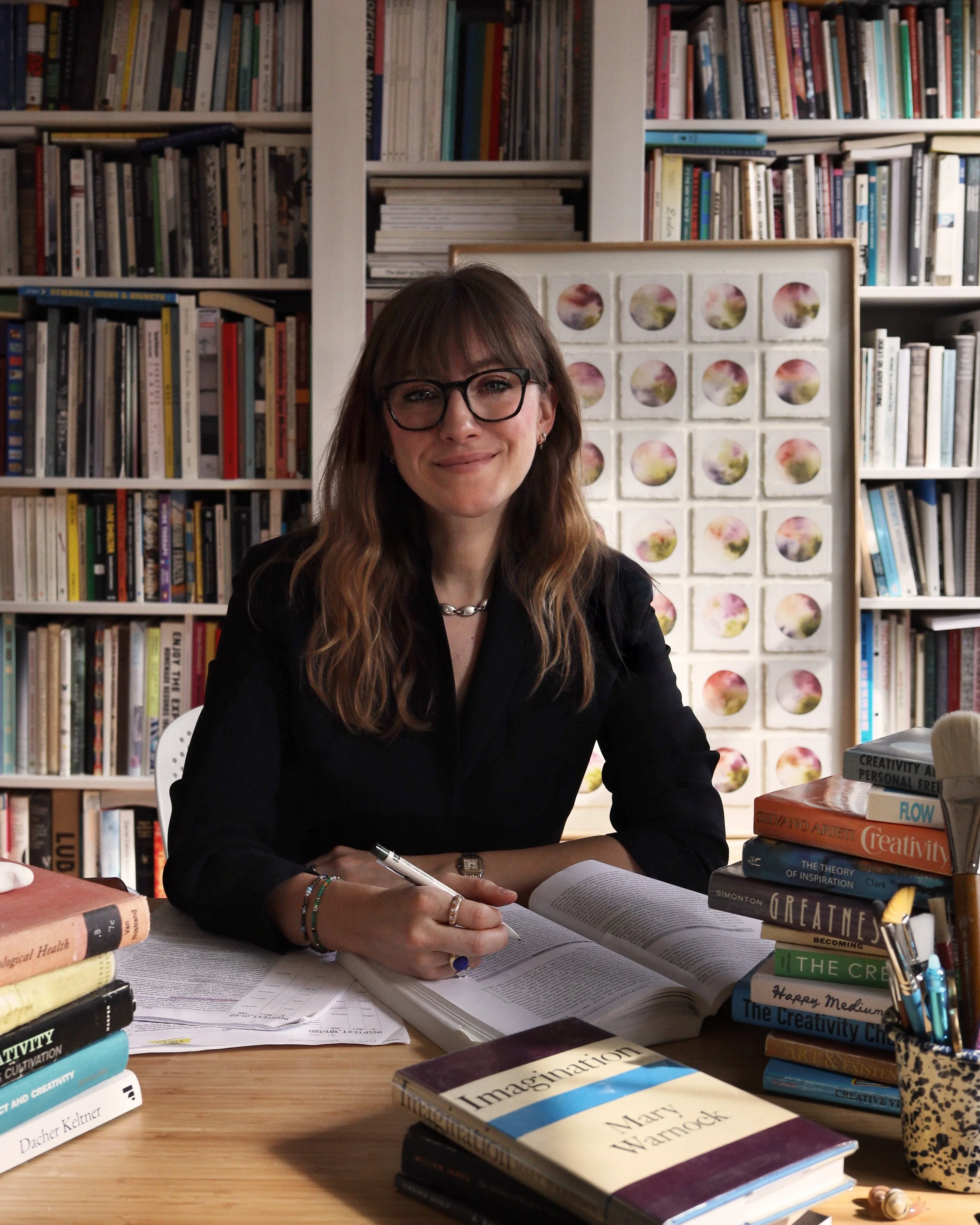
Kaile Smith, cognitive scientist and creative director, finally put a name — and some science — to something she’d always experienced: the creative hangover. Here, she shares how to kick it. Image c/o Smith.
The Most Useful Peer Network for Creative Professionals
Creative Factory is a private, highly vetted leadership community for brand leaders. Join peers from Amazon, Shake Shack, Roblox, Procter & Gamble, and more.
You’ve heard of a creative block. But what about a creative hangover?
Cognitive scientist and creative director Kaile Smith spent 15 years in the design industry before discovering a framework for something she’d always felt but couldn’t quite name.
Maybe you’ve felt that feeling, too: low energy after a highly productive creative day, a dip in your creative spirit, an almost-nameless, depleted feeling — where even moving a pencil across paper feels like work.
After years of experiencing this, Smith set out to study how creativity relates to well-being among creative practitioners compared to the general population. What she found has a name: the creative hangover.
Here, we talk to Smith about why creatives experience this, how you can structure your days for maximum creative output, and why you should give yourself slack on days where you feel creatively spent.
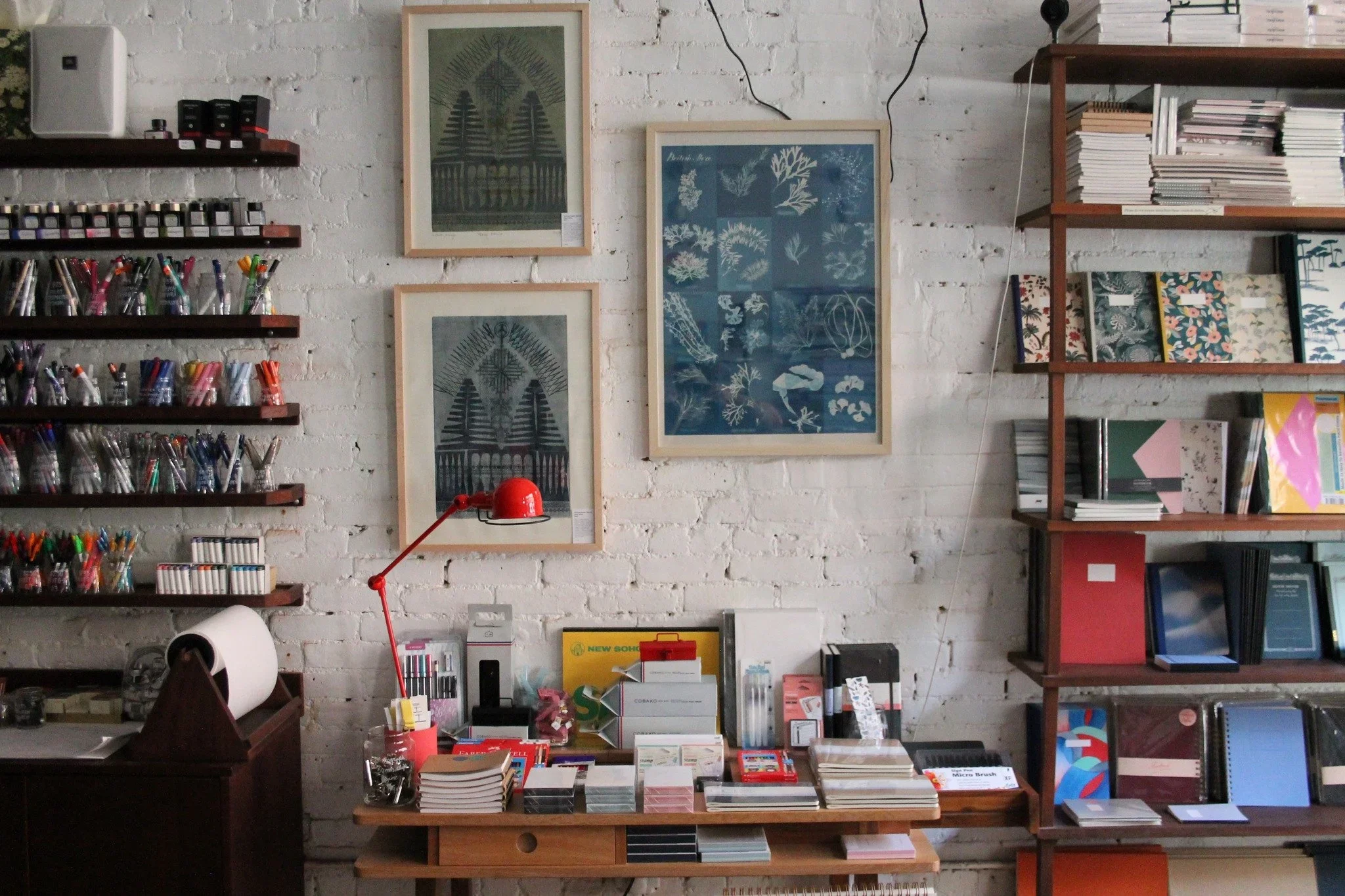
Creativity is supposed to make you happier, but creatives get a rep for being tortured artists. In a recent study, Smith looked at how creativity actually affects well-being. Photo: Goods for the Study.
You experienced artistic whiplash in your own work for years. What questions did you have?
I noticed two things weren’t aligning when we talk about creativity and well-being. There’s research that suggests creativity is amazing for your well-being — basically, that creativity always leads to happiness. Yet there’s also a pervasive narrative in culture about the tortured artist. And it was like, well, those two things aren’t aligning. In art school, people idolized the tortured artist and used it as an excuse to engage in risky behavior. But in the creative professional world, that’s not who those people are. It’s more that you experience these periods of intense burnout and needing to figure out how to sustain yourself so that you can keep the creative work going. It’s simultaneously extremely fulfilling and exhausting.
When you compared differences in well-being between a general sample of creative people — who maybe go to a painting class or attend their church choir — and creatives who make stuff for a living, what did you find?
On the days after more intense creative output, creative professionals see an uptick in negative emotions, whereas casual creators see an increase in positive emotions. This is what we call the creative hangover, and it was one of the most interesting findings to me.
Creativity literature paints this picture: practice creativity and it’s an upward spiral from there. That’s true in the general sample, but not for creative professionals. This is the first time that I’ve seen something that seemed to reflect what my peers and I experienced.
Why might a productive, fulfilling creative day leave you feeling worse the next morning?
It could be that you’ve had a really high level of flow the day before, so you’re getting some kind of dopamine deficiency the next day. Or the negative emotions are just a natural part of the creative process. If you’ve accomplished a lot today, maybe the next task is more administrative, and you’re dreading it. The fun part is done, and now you’ve got to go sell it to the CEO, or push it out into the world. For the general sample, by contrast, it’s a lot more likely to be a one-off creative project, so it’s not following them for days or weeks the way it would for a creative professional.
That’s why awareness is so important. I think a lot of us have these feelings — is it me, or is it just this project? — and don’t have a name for it. Since the study came out, a lot of creatives have reached out saying, “I thought I was the only one feeling like this.” It seems to be resonating on a personal level with creative professionals.
How can creative professionals incorporate these findings into their own practice?
When you’re feeling that creative high and the flow is coming, a lot of creatives want to go full foot on the gas pedal: dive in, not take breaks, and let themselves be fully immersed. Then, a lot of times, you’re thrown right into the next creative brief. This study shows that there’s a real emotional cost to that. Taking a break between projects isn’t just a nice-to-have: it’s essential for the capacity of the team to stay creative and fulfill what’s being asked of them.
Is there an optimal way to maximize creative energy and output?
There’s a lot of research on how different emotions and thinking patterns are beneficial to different parts of the creative process.
When we talk about creativity, we usually think about the expansive, concepting side. But at a cognitive level, there’s both divergent thinking (coming up with lots of ideas), and convergent thinking (editing down and refining ideas).
During a creative hangover, experiencing negative emotions can actually be beneficial for convergent thinking because you’re in a more narrow, intentional focus — this type of thinking is also important to the creative practice. So in my personal work, mapping my emotions to which phase of the creative process I’m in has been helpful.
What would a smarter creative schedule actually look like?
Say you’ve done a photo shoot and shot everything. The next day could be a great time to edit the photos and narrow things down, do your emails, or work on a project that’s more in the finishing stages — refining rather than ideating. Basically, if you know you’ve had a lot of generation today, it’s probably better not be generating a ton tomorrow. That’s a day to edit down the ideas you had, or work on a project that’s much more on the spreadsheets-and-Excel side of the job, rather than coming up with new designs.
How many hours of creative work does the average creative professional have?
So, this hours thing is tricky. I did a study a few years ago with only creative participants, where creatives reported spending approximately 23 hours per week (very roughly) “being creative.” But we had a very large standard deviation, which means that number varies widely between people, days, and weeks. It was also inclusive of creative activity outside of work — on average, about two-thirds of that coming from work, one-third from hobbies. Professional creatives tend to have lots of creative hobbies, too.
My sense, however, from conversations with participants and creative people in general, is that creatives vastly underestimate their time spent being creative — at least from a researcher’s point of view. I think they are mostly reporting the expansive and exciting parts as “creative,” whereas that is only one piece of the creative process. It doesn’t account for the more convergent parts we discussed, or the mind-wandering incubation time and inspiration-seeking parts that are essential parts of the process. These are increasingly being crushed out of the process by the workplace.
If creative practitioners are vulnerable to the creative hangover, are they also resilient?
When you engage in more creativity, you’re more likely to have positive emotions and an increase in well-being. That’s true for everyone, creative professionals and the general sample alike. Even the most burnt-out creative professional will feel a boost if they have a really creative day.
However, we found that baseline well-being was actually higher among creative professionals than the general sample. These participants regularly report having a sense of flow and immersion in their life and relationships, feeling connected with other people, and having a sense of purpose. And that flies in the face of the tortured artist, because if we thought everyone who was creative was this tortured person, they wouldn’t report higher well-being overall.

Join more than 50 leaders from top organizations, including Spotify, Amazon, Disney, Shake Shack, Stripe, NASA, Cannondale, Hearst, Roblox, Clay, Paramount, and Mailchimp.