The Courage to Look Stupid: Crocs Founder George Boedecker Champions Unconventional Design
The Most Useful Peer Network for Creative Professionals
Creative Factory is a private, highly vetted leadership community for brand leaders. Join peers from Netflix, Meta, Apple, Stripe, and more.

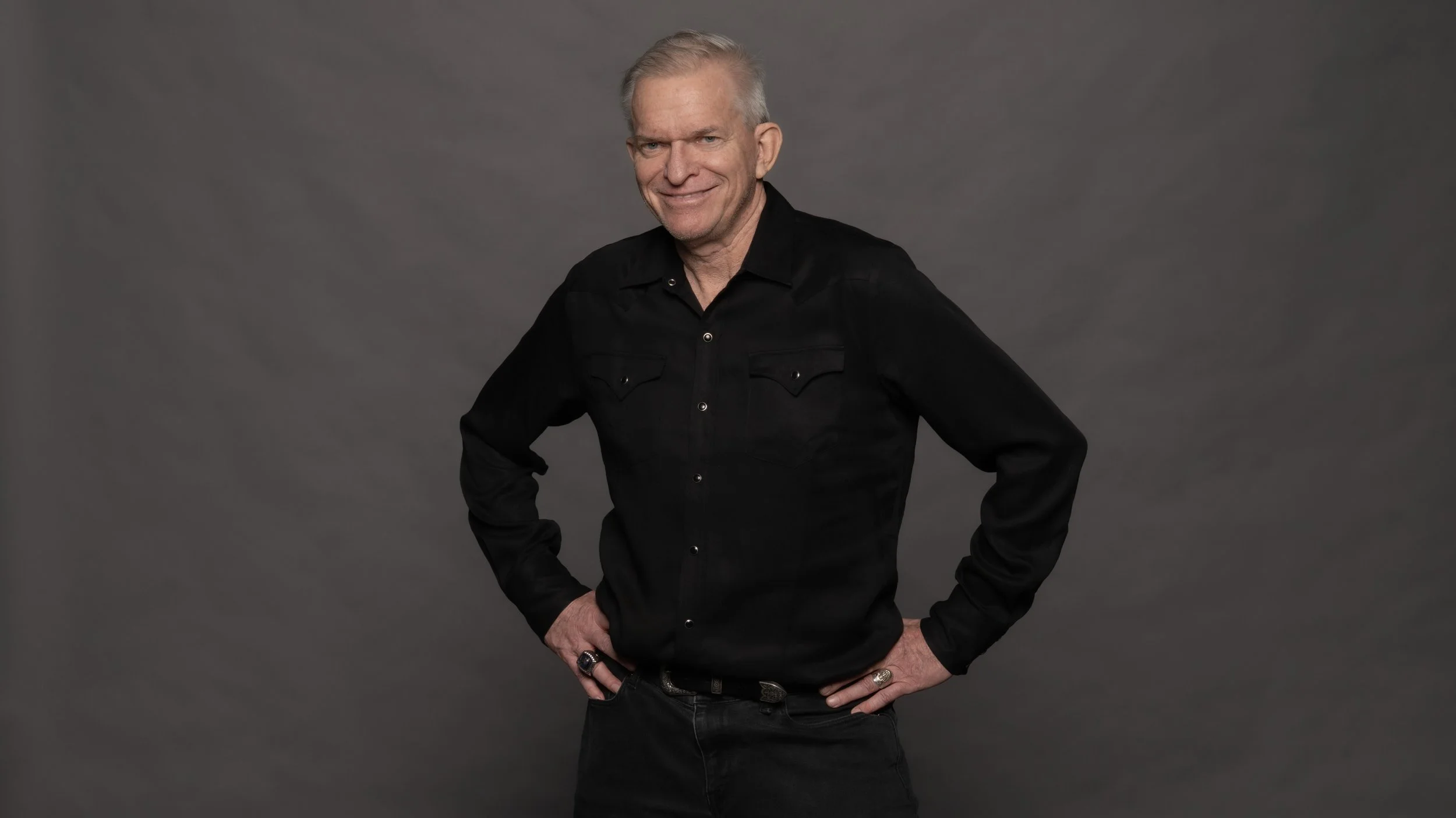
George Boedecker doesn't believe in magic tricks, focus groups, or scheduling creativity to death.
As the founder of Crocs, he built an empire out of bright foam and thirteen ventilation holes by doing two simple things: trusting his crew and prioritizing pure utility, comfort, and function over traditional footwear fashion norms.
In his new book, Croc, George shares the unvarnished truth behind creating a global icon and the lessons he learned along the way.
We caught up with George to discuss executive creative leadership and how to stay committed to your vision when the market tells you to play it safe. His biggest lesson for creative leaders? If you’re doing something genuinely different, you have to be willing to look stupid long enough for the world to catch up.
***
Few brands in history have generated as many strong opinions as Crocs. People either loved them instantly or questioned them entirely. How did you lead your team through that noise? And what did that experience teach you about staying committed to your vision when conventional wisdom says to play it safe?
I built my team with people I knew and, more importantly, trusted. I had seen them be effective in life as a friend long before I thought they could be a title on a business card.
Trust and follow-through were the only two things I could count on growing up, and those were the people I ended up working with. I was never going to be someone everyone liked, and so I needed to know people could deal with me before I hired them.
And much the same, Crocs was never going to be a shoe that everybody liked. That was part of the point.
If you're doing something genuinely different, you're going to look stupid for a while. We didn't spend our time trying to convince everybody. We went out and sold. We gave shoes away. We got them on people's feet. And a funny thing happened: people who laughed at them would put them on and say, "Holy sh*t, these are comfortable."
Then they'd come back and buy another pair. That's the lesson. Don't let somebody else's opinion become your strategy.
If you believe you've got something that works, stay with it long enough for the market to figure it out. The conventional wisdom is usually telling you what worked yesterday. We were trying to build what worked tomorrow.
Or maybe I was just stubborn and got lucky.
Crocs challenged the entire footwear industry. How would you define your core design and product philosophy?
Start with the problem. Don’t start with what everybody else is making.
With Crocs, I wanted a boat shoe that was comfortable, practical, light, easy to wear, and different from anything else out there. We weren’t trying to make a prettier version of another shoe. We were trying to make the shoe better at being a shoe. That’s where the simplicity comes from.
Every part should have a reason to be there. The holes weren’t decoration. They gave the shoe ventilation and helped make it what it was. We ended up with thirteen of them because twelve wasn’t enough.
You know you’ve got something close to the purest form when you can take something away and the product gets worse. Until then, keep working.
Many design executives struggle to get unconventional concepts green-lit within traditional corporate frameworks. Coming from outside the formal design world, how would you advise executive creative leaders to champion bold, provocative ideas to their C-suite?
Don’t go into the room asking for permission to be creative. Go in with something that works. A prototype is worth a hell of a lot more than a PowerPoint presentation. If you can put the thing in somebody's hands, let them experience it, and show that real people want it, the conversation changes. You don't have to win the argument before you start. You have to get enough of the idea into the world that people can see what you're seeing.
And don't be afraid of looking stupid; take the risk that will inevitably make you look stupid. That is where I have found most of my favorite ideas…. Not all of which are good ideas.
If you're waiting until everybody agrees with you, you're probably not doing anything very interesting.
When you're creating a brand-new product category, traditional market research and focus groups often tell you "no." Where and how does gut instinct factor into your decision-making process when the data doesn't tell the whole story?
In the beginning we didn't have money for market research or focus groups. But we had money for beer, we learned most of what we applied by going out and meeting people in the real world. Sounds scary, huh?
And even though gut instinct matters, it isn't magic. It's experience. Data is useful. I like knowing what the numbers say. But numbers are usually telling you about something that already exists.
If you're creating a new category, there's no historical data for the thing you're trying to create. That's where you have to put the product in the real world. Watch people. Let them use it. See what happens when you stop explaining it and just hand it to them.
With Crocs, people could laugh at the shoe all day. Put it on their feet and the conversation changed. At some point, you have to trust what you're seeing. That's the gut part. It's not ignoring the data. It's knowing when the data doesn't tell the whole story.
Outside of the boardroom and product development, what creative practices, hobbies, or environments do you rely on to recharge your mind and keep your perspective fresh?
Music, mostly. People as well. I've always liked being around musicians, guitars, boats, friends, and people who aren't sitting around talking about business. That's where you get your head back. I don't think creativity needs to be scheduled to death.
Go somewhere different. Make some noise. Play music. Have a drink with a friend. Get outside. "Touch grass" as my son would say. Business should be fun. Life should be fun. If you forget that, you're probably taking yourself way too seriously.
My book is specifically about letting people know there is no magic tricks; it’s all about doing the thing. Maybe I am stubborn but I find the only way I can learn Is by doing it wrong a lot and getting it right once in a while.
If you were stripped of all modern technology, teams, and supply chains for 48 hours and given only raw materials, what is one tangible object you would build entirely by hand just for the satisfaction of making it?
For the sake of this article, I’ll say a shoe. A shoe made from a proprietary closed-cell resin foam that's non-slip, antimicrobial, ridiculously light, and most importantly, comfortable as hell. It would have exactly thirteen holes. No more, no less. A strap across the back. A tiny crocodile logo riveted onto the side. And the colors? Bright. Loud. Maybe even f*cking ugly.
But you'd slip them on and they'd be the most comfortable damn things you've ever put on your feet.
Half the world would hate them. They'd make fun of them. They'd say, "Who the hell would wear those?" Until their kids start wearing them. Then their grandkids. And before long, those same people are standing in line to get the latest [Insert Brand Here] collaboration because their kid saw somebody wearing them at school and decided they absolutely had to have a pair.
That's the kind of product I like. Something different enough to make people laugh at first and good enough that they eventually can't live without it.
Either that or a guitar.
The Most Useful Peer Network for Creative Professionals
Creative Factory is a private, highly vetted leadership community for brand leaders. Join peers from Netflix, Meta, Apple, Roblox, and more.

If you’d like to read more from Creative Factor, find our latest stories here.