Google’s VP of Design Ivy Ross Draws Her Own Path

Ivy Ross’s path to leadership at Google didn’t follow the traditional tech tracks; she began as a fine artist working with metals, going on to design toys, eyewear, and handbags. Images courtesy of Ross.
The Most Useful Peer Network for Creative Professionals
Creative Factory is a private, highly vetted leadership community for brand leaders. Join peers from Netflix, Meta, Apple, Amazon, Stripe, and more.
In an era where corporate leadership often looks and sounds homogeneous, Ivy Ross’s path to leading Google’s hardware design team feels delightfully rebellious. She didn’t rise through standard tech tracks; she began as a fine artist working with metals, going on to design toys, eyewear, and handbags. To unlock her team’s creative flow state, she draws on methods that might make traditional executives balk, from embedding sound frequencies into studio background music to taking hundreds of designers on tech-free farm offsites.
When Ross brings these human-centric practices into the corporate world, she isn’t being quirky for the sake of it. She is intentionally, confidently designing the exact conditions required for human creativity to thrive — with high-yield business results.
Before building Google’s award-winning hardware aesthetic, Ross honed her leadership across a range of iconic brands, holding executive roles at Calvin Klein, Swatch, Coach, Mattel, and Gap. She is also the co-author of the New York Times bestseller Your Brain on Art: How the Arts Transform Us, an exploration into the neurobiology of aesthetics and human potential.
Here, she discusses a new paradigm of creative leadership where the ultimate role of an executive isn’t to manage tasks, but to conduct human energy on the way to creating a great product.
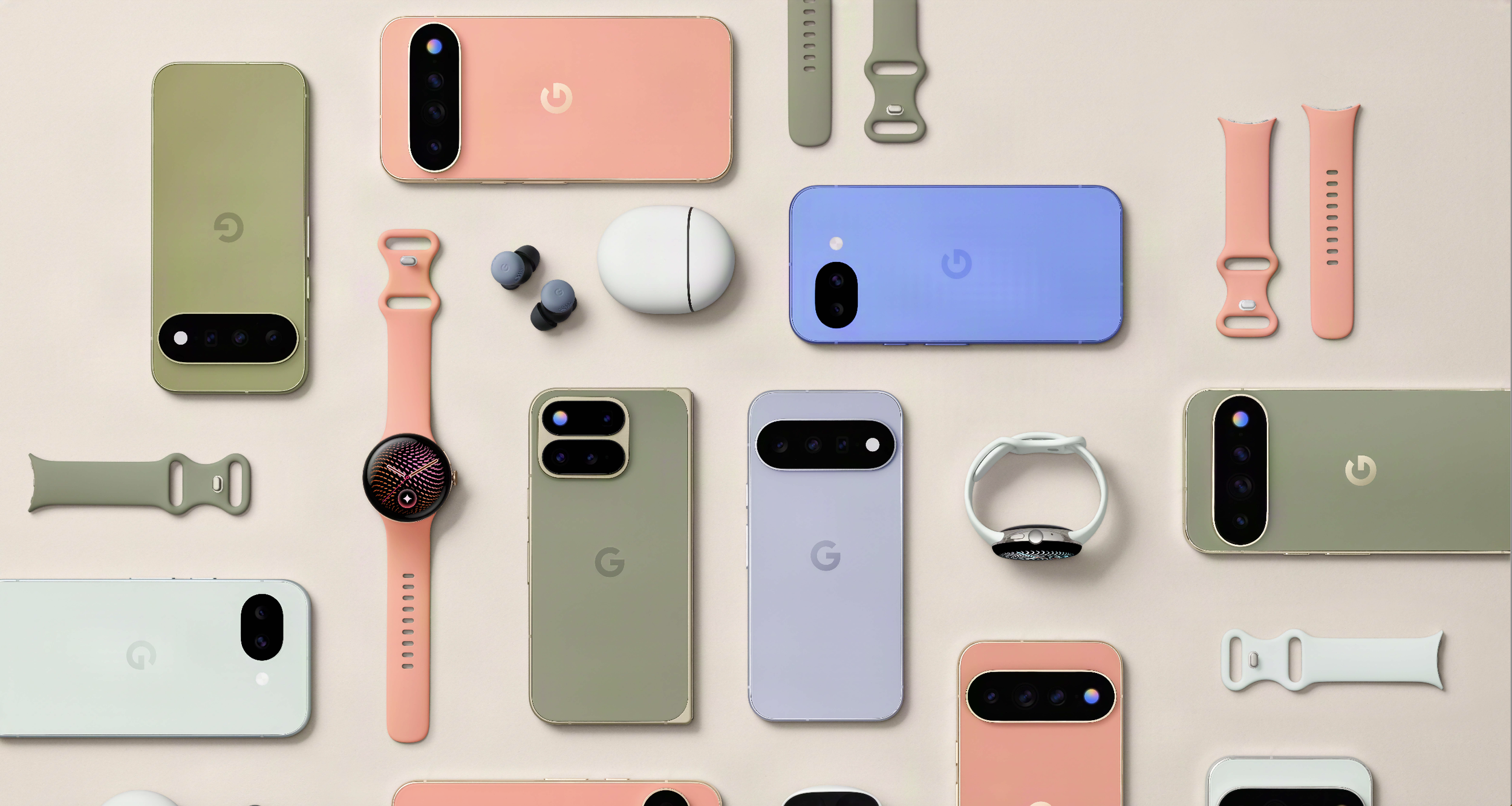
Ross and her team’s award-winning hardware aesthetic is as delightful as the “I’m Feeling Lucky” search engine.
You started your career as a metal artist and jewelry designer, and your work is in the permanent collection of the Smithsonian. Can you take us back to those early days of working with your hands?
That was the greatest gift, having an idea and manifesting it with your hands. I started as a metalsmith because I originally thought I wanted to be a fashion designer, but I couldn’t draw people. In those days, I assumed if I couldn’t draw people, I couldn’t do fashion. I didn’t realize until later that fashion designers just wave their hands around and other people draw for them.
I’m glad I went the route I did because I thought, If I can't do the clothing, let me do the details or the thing that pulls it all together. I was drawn to metalsmithing because my dad was a car designer. He worked for Raymond Loewy in the '50s on the Studebaker. He wanted a son and got a daughter first, which was great because he’d take me to car shows in the '70s where I was eye-level with the hubcaps. I was fixated on the hubcaps, and I became fascinated with how metal attaches and how you form it.
My dad taught me what I now recognize as getting into the flow state. Ever since I was four, he would say, “Ivy, look at that object. Look at the way it’s attached. What else can you learn from it?” I would get absorbed and notice everything.
Your work is in 12 museums around the world. What did you learn from making jewelry?
The beautiful thing about jewelry is that it can be made from many different materials. I used to work with titanium and niobium, which were new materials for jewelry at the time. You could charge them at certain voltages to rearrange their molecular structure so light would reflect different colors. I wondered, If I get to 80 volts, can I cut back through the oxide layer and expose 50 or 60 volts? I was relentless until I figured it out, and then all the museums wanted to collect it.
The thing about getting my work into museums in my early twenties is that the ego trip lasted two weeks, and then it was over. I realized early on that life is not about the endgame, but the journey of personal exploration. It was freeing.
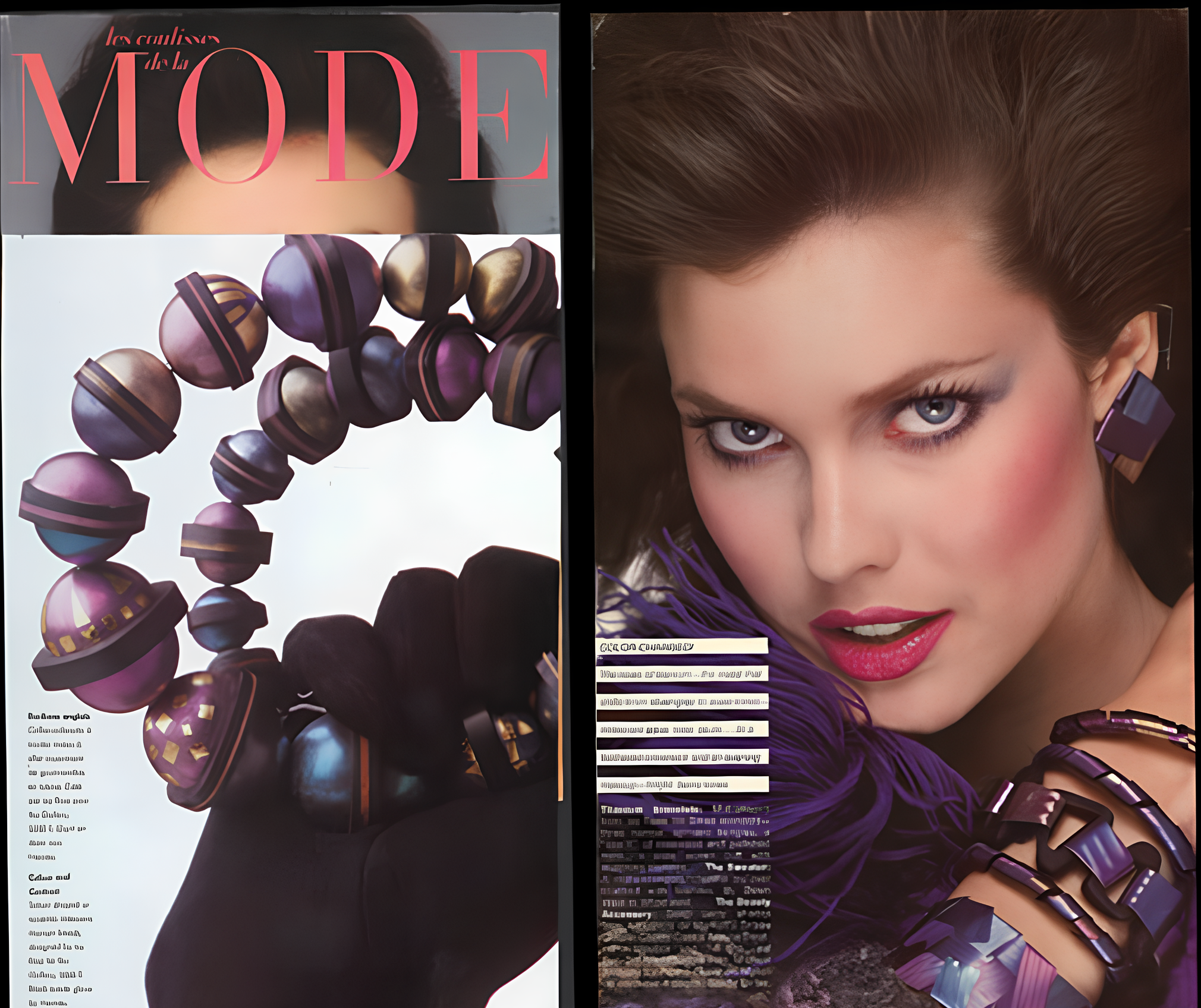
Ross’s jewelry making revolved around personal exploration before her work caught the eye of fashion magazines.
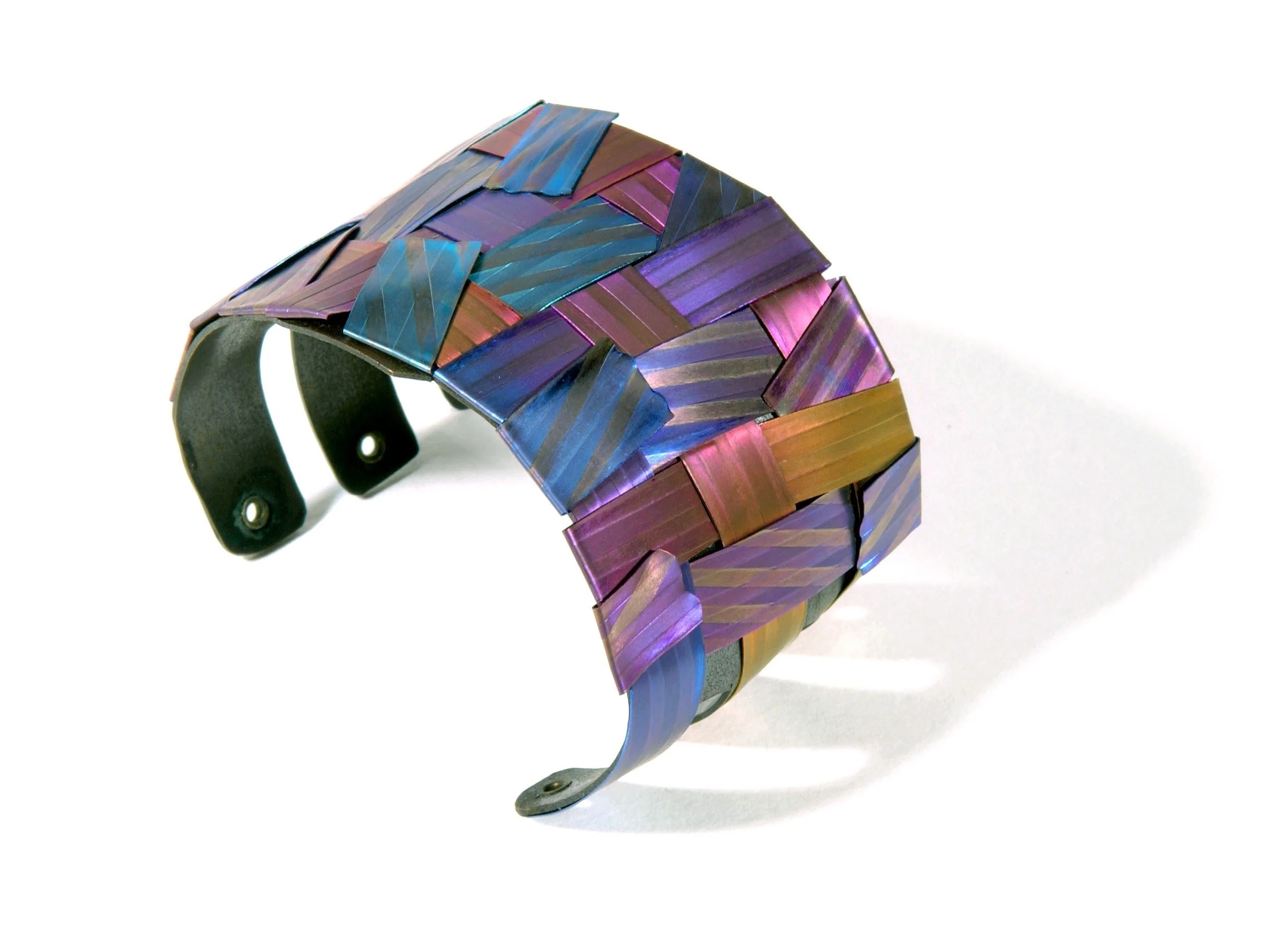
By taking a scientific approach to her work, Ross could rearrange the molecular structure of her materials so light would reflect different colors.
What led you to jump from being an independent studio artist to the corporate world?
Working as an artist is a lonely job. I was an art major and psychology minor, and I really like people. When magazines started publishing my work, the phone started ringing with design offers. Eventually, I had more ideas than fingers, so I wanted to put my ideas on paper and commercialize them. That led to a duality of doing production design while maintaining my one-of-a-kind artwork.
My friends said, “What do you mean you're going to work inside a company?” But a company is a petri dish of humanity. It’s a great way to experiment, understand people, and push them to be creative. When I entered the corporate world, different CEOs would say, “We want more innovation,” but they had people working in little gray boxes. I thought, This is not the environment where creativity thrives.
My vision was to translate what I was doing for myself from an individual level to a group level. I spoke my truth about how creativity actually happens and created new ways of working for my teams. That mindset helped me move quickly from designer to design director across different industries.
Corporate career paths are usually pretty linear within one industry, but you’ve spanned toys, fashion, retail, and tech. What was the underlying thread connecting those stops?
They are different product forms, but they are all consumer goods. At my core, I have a problem-solver and builder mindset, whether it’s a product, team, company, or house. I loved learning the boundaries of each new category, from the techniques to the materials.
No matter what category I was in, I was always a bit of a futurist. At Mattel, I teamed up with the inventor of the Furby and we designed a baby doll that made the cover of Wired because it was packed with sensors. Technology and the future were constant themes for me.
How did those unique career chapters lead to Google?
When Google X called about the second edition of Google Glass, they were looking for someone who understood innovation labs, fashion, and eyewear. When I asked, “Why me?,” they pointed out that unique combination of experiences.
When Glass proved not quite ready for mainstream consumers, we transitioned to hardware for phones and other devices. I ended up building and scaling the hardware design discipline at Google from scratch. Looking back, all those diverse, non-linear experiences made me the right person for the role.
How did you develop your leadership style, and how do you define it today?
Creative professionals often move up corporate levels without stopping to ask, Do my skills fit what this job now requires?
In many companies, I had to create individual contributor tracks because top-tier creatives who shouldn’t (and didn’t want to) manage people were forced into management just to get promoted and make more money. That was wrong for them and wrong for the company.
Because of my psychology background, I was always interested in people. My core question was: How do I take what was working for me individually and bring it to groups?
I didn’t set out to be a traditional leader; I am just passionate about setting up the optimal conditions for maximum creativity. I often tell people who report to me, “Let me tell you what my day looks like before you decide you want my job.” It’s largely about solving human and organizational puzzles.
Today, I view my leadership role as an orchestra conductor. I agree on the piece of music we're going to play, I know my instruments deeply – I have a couple hundred of them – and I hold the vision. As we walk toward that vision, I can say, “A little more drums, a little less trombone, a little more violin.” That’s a different job from hands-on drawing, but I get just as much joy out of seeing a group manifest a vision together.
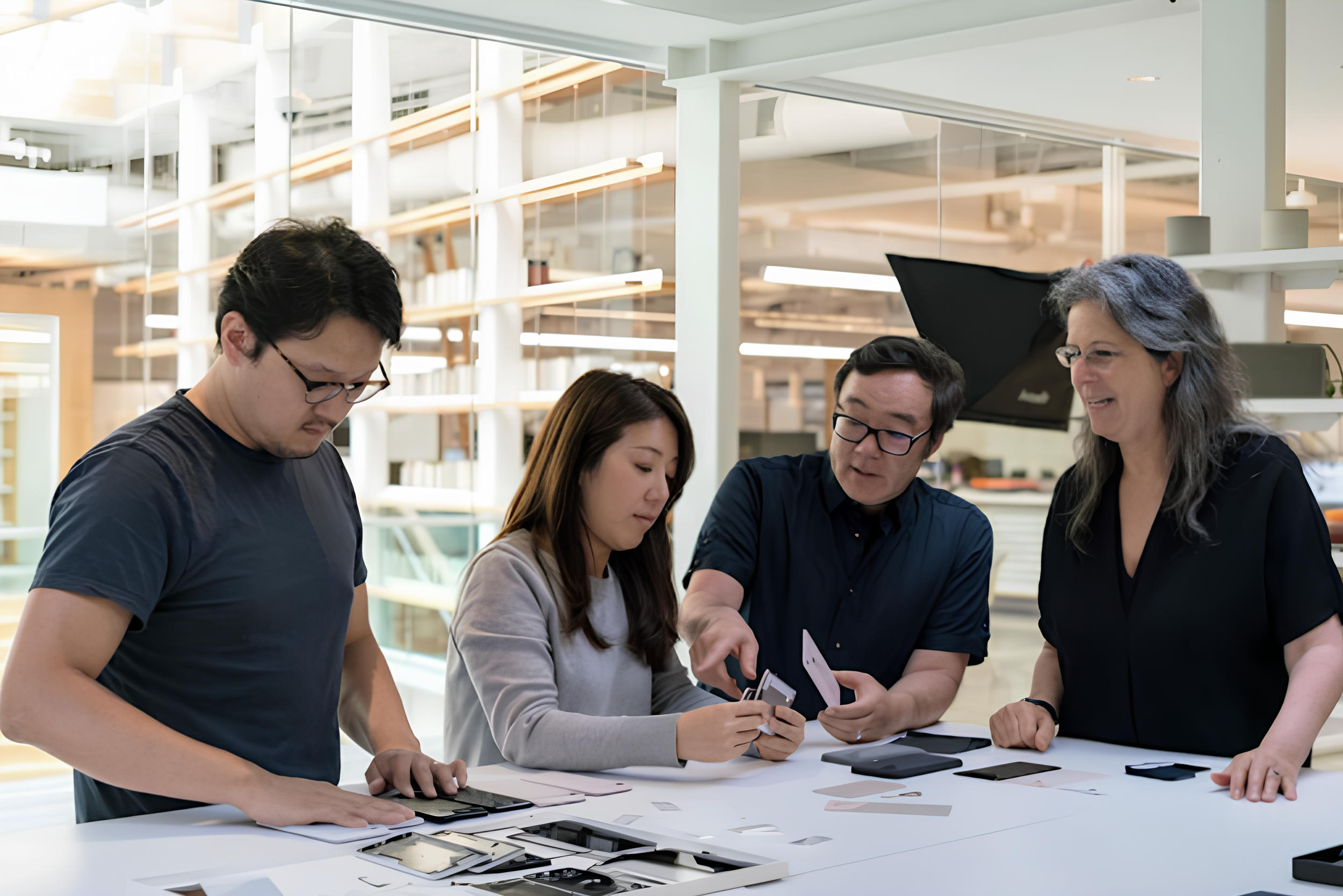
Ross designed her team’s workspace at Google HQ, to create the conditions for creativity to thrive.
You’ve mentioned studying sound and human energy for decades. How have you used unconventional methods like that to build creative conditions for your teams?
I realized early on that creativity requires trust and freedom within companies. Back in the '80s and '90s, bosses would group people together and say, “You’re a team,” but nobody spent time building actual trust.
When I was at Mattel, I saw that some teams would brainstorm for hours with no results, while others clicked instantly. I wanted to know how to get people on the same “wavelength.”
So I brought in a sound specialist to work with 12 employees who weren’t clicking creatively. We captured their vocal ranges, identified their shared resonant frequency, and embedded those frequencies into background studio music across different octaves.
When we played that music in the studio, you could feel the alignment within 40 minutes. The team was grooving and producing incredible ideas. That unconventional approach even won a chairman’s award at Mattel for helping revitalize a brand line.
Are there any other non-traditional ways you build a strong creative culture among your team?
I have taken our entire team to a farm here in Northern California. We left all our devices on the bus, and each person had to choose to be a beekeeper, cheese maker, flower picker, or other farm job. At the end, we got back together to dine at a long table that had been set up in the field. Many people said time felt like it slowed down that day. The next day at the office, the feedback from the team was that it was an amazing experience.
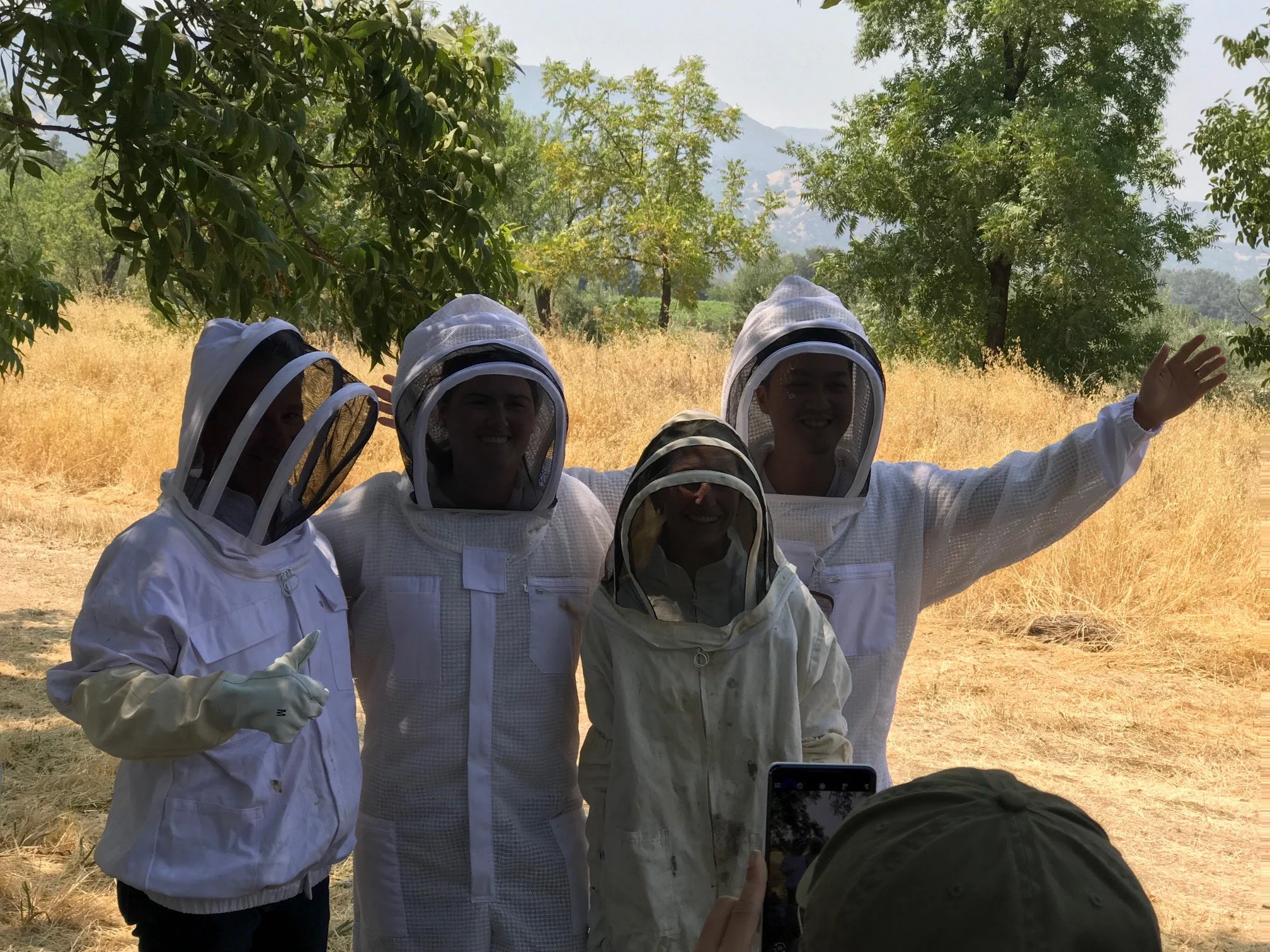
To shake up a traditional work day, Ross took her team to work together on a farm for a day.

How do you articulate that human, intuitive, creative feeling when speaking with analytical, data-driven executives?
You have to know your audience and speak in many tongues. I learned that observing my dad run his design firm. You must tailor your message so the person listening can absorb it.
I wouldn’t go into a board meeting talking about how I study nature's patterns. Instead, I explain that I build the organizational culture and conditions required for high-yield creativity, and I show them the results.
Creativity is a bit of a mystery to non-creatives. If you lead with strong results – NPS scores, successful product launches, market performance – they tend to trust your process. I model quietly and let the outcomes speak.
Occasionally, curious leaders will say, “Ivy, the energy in your building is different. How are you doing that?” When asked, I’m happy to share my methods. But if not, we focus on the business metrics. Every company has its own culture; the key is learning to feel into it and work with it rather than against it.
We’ll end where we began, with a question about building by hand. If you were stripped of modern technology, title, and budget, and you were given 48 hours and one material to make anything you want for your own personal enjoyment and delight, what material would you use and what would you make?
There is the book, Harold and the Purple Crayon. He had a purple crayon, and whatever he drew he could walk into. If I could have anything, I want that purple crayon, and I would draw the world that I want to walk into.
The Most Useful Peer Network for Creative Professionals
Creative Factory is a private, highly vetted leadership community for brand leaders. Join peers from Netflix, Meta, Amazon, Roblox, and more.
If you’d like to read more from Creative Factor, find our latest stories here. Or looking to tell your brand story? Introducing Creative Factor’s Storytelling Studio.