The People’s Champion: Teo Connor on Leadership, Conviction, and Craft at Airbnb

Airbnb VP of Design Teo Connor, named after the Cuban Olympic boxer Teófilo Stevenson, boxes to the beat of her own drum.
The Most Useful Peer Network for Creative Professionals
Creative Factory is a private, highly vetted leadership community for brand leaders. Join peers from Netflix, Meta, Amazon, Roblox, and more.
Long before Teo Connor was shaping user experiences for millions at Airbnb, she was a kid in East London collecting stamps, drawing her own flags, and watching her family craft carnival costumes in their living room. That early immersion in a “low-income, high-culture” melting pot instilled a deep appreciation for craft and community.
Connor brings those same roots of generosity, humor, and unwavering conviction to her leadership style as Airbnb’s VP of Design.
The team has been busy – Airbnb continues to expand into a super app: Guests can now book a wider range of services through Airbnb, including grocery delivery, airport transfers and booking rental cars. Two other cool new features are the shared itinerary featured to make it easier to plan a trip with a group and the travel map, which has recs from friends and family.
In this conversation, she shares how the best creative work always serves a purpose, why “taste” is really about good judgment, and how she’s building cardboard clocks with her kids.
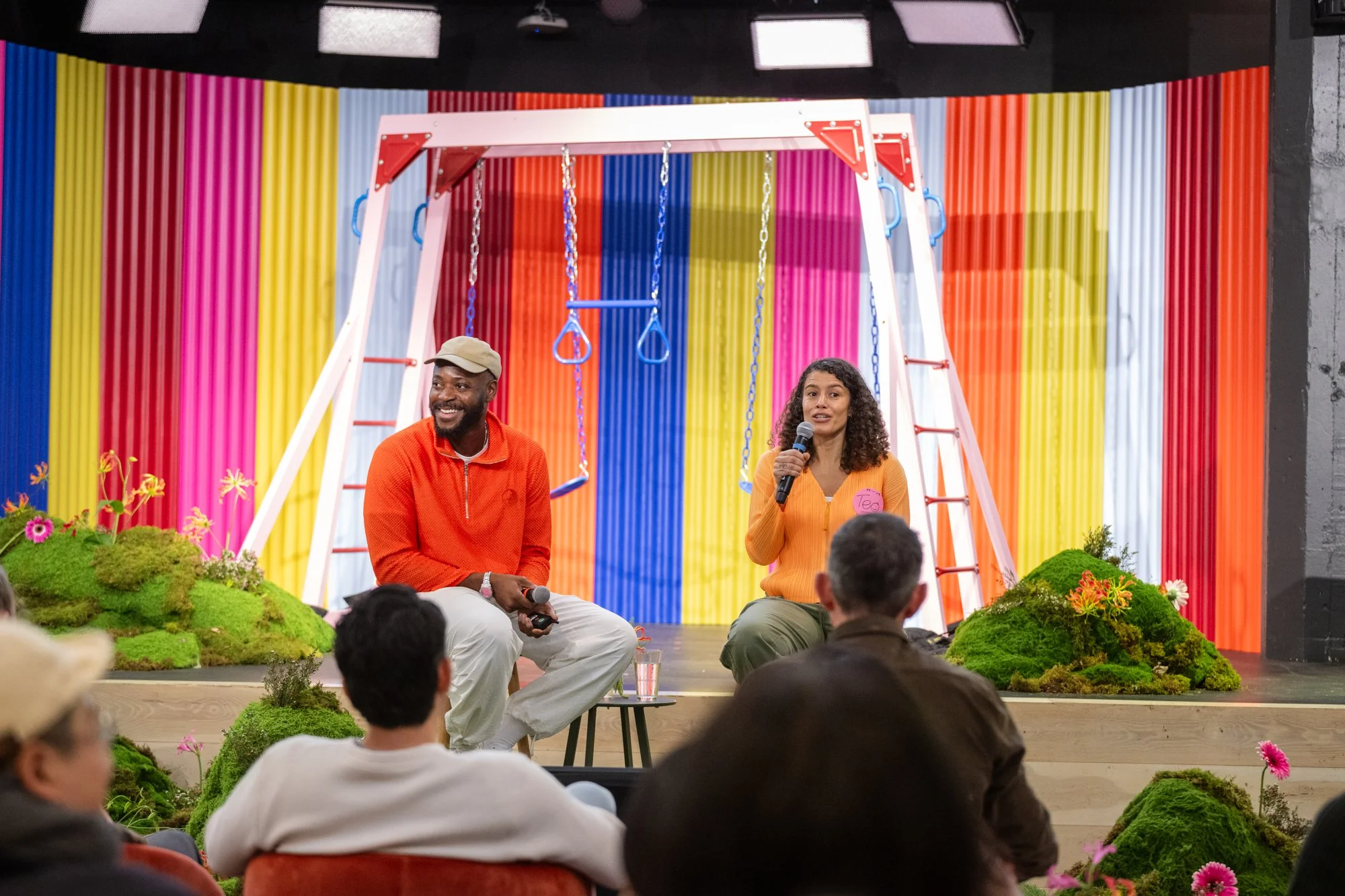
Teo Connor in conversation with Yinka IIori on play, design and joy (and color coordination!) at a team offsite.
We begin with childhood. What sparked your creative interests?
I am a product of London, and London has a DIY creative culture. I have Trinidadian heritage, and my granny was an amazing matriarch who hosted people from all over, including those making carnival costumes for the Notting Hill Carnival. I was drawn to the mosaic of always being around people making things.
As a kid, I was also a bit of a nerd. I loved comics, and I was into collecting stamps and coins. I was drawn to the tiny canvases with colors, images, and pictures of historical figures that could convey so much. Everyone who knew me would bring back stamps or coins from wherever they traveled.
I had a book of flags from around the world that I was obsessed with. I’d even draw my own flags. I also collected Pepsi and Coca-Cola cans, including the special editions for the Olympics or the World Cup, and tried to draw my own designs of them.
That global perspective is a great fit for Airbnb. Tell us about your leadership style.
I have three main leadership pillars. The first is generosity. I grew up with a family member who had bipolar disorder. As a kid, I learned how to read a room, understand what was going on, have empathy for what someone was experiencing, and sit in a difficult environment. Not everyone can handle that, but it gave me the ability to try to shape a room while accepting that sometimes you can’t.
I bring that into how I lead. I’m focused on reading the room, seeing people, listening to them, putting them at ease, and helping them articulate their ideas. I had the privilege to meet President Obama when he visited the Airbnb office in San Francisco and walked him through our latest work. President Obama was comfortable and at ease, but he was also generous in sharing that feeling with us so we felt confident presenting to him.
The second pillar is conviction. When I was running my own design studio, I learned that you have to wear a lot of hats and be comfortable putting yourself out there to pitch your work. I had a lot of self-doubt initially. But I quickly realized that if you don’t believe in yourself, you can’t expect anyone else to follow you, especially when doing something hard. Being a design leader is having the conviction to hold the line on what you’re trying to do, setting your team up to do their best work, and trusting them to get there.
My third pillar is humor. I take my work very seriously, but I think we need playfulness in our working lives. Part of this comes from being a Londoner – we like our jokes! It also comes from my Trinidadian family, where humor and joy are central to how we communicate. At my granny’s house, I got an education on how to debate. You had to be quick-witted, smart, and confident chatting back to older family members, but you had to do it with grace. You learn to soften heavy ideas, like politics, with humor.
The power to make people smile, laugh, and connect can energize a team. We ran a design team offsite last year themed entirely around play and human connection,and it's still one of the moments the team references a lot. In difficult situations, a little bit of trench humor goes a long way in making everyone feel lighter and rallying them over the finish line.
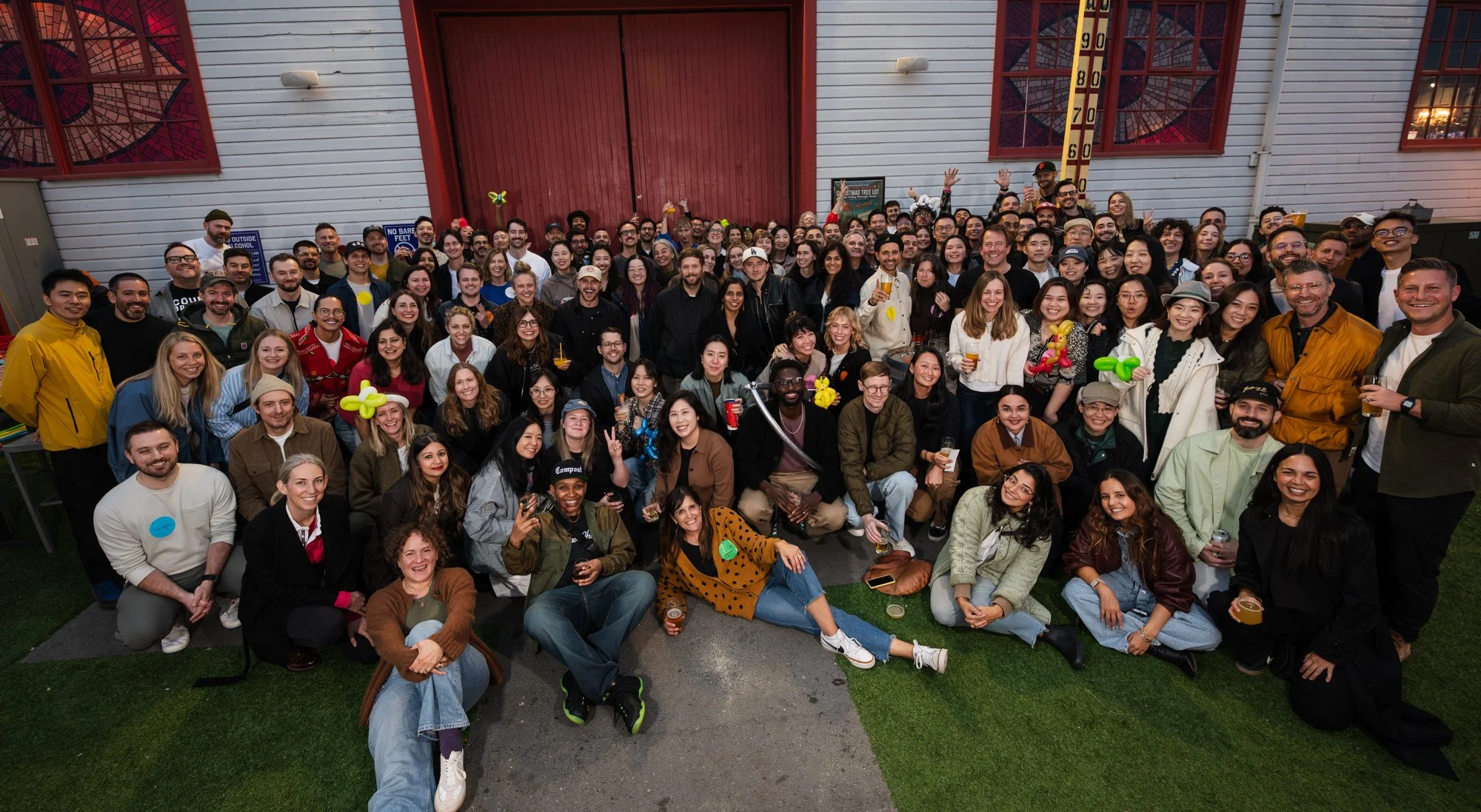
The Airbnb “Play” themed offsite in SF had all the makings for a good offsite, including beer and a height chart.
You’re in a unique position where you report to someone who is a designer by training, CEO and co-founder Brian Chesky. What is a design conversation like with him?
I don’t have to make the case for design with Brian. A lot of my energy goes directly into the work instead of the argument for the work, which is a privilege.
Our reviews aren’t traditional reviews where you bring a room full of people together, present, and wait for a verdict. It’s more of an ongoing conversation. He is a partner inside the product as features develop, along for the journey, because he cares deeply about quality.
For example, if I’m vibe-coding something, I’ll text it directly to him and we go back and forth. That allows us to move fast and rapidly iterate.
Over the last five years, my team and I have built trust with Brian around design quality. We all know where the bar for Airbnb should be. He pushes us to make sure we’re always hitting it, and I push my team to do the same. Having that shared understanding of quality – and knowing that the person at the top is aligned with us on every detail – is the main reason our design work stands out.
Given how high that design bar is, how do you evaluate new hires?
Having high craft and deep domain expertise is the baseline. But someone can be technically excellent and still be a net drag on the people around them, or technically solid and make every collaborator’s work better.
One of our original core values is “Embrace the Adventure.” I love that because it describes the people who thrive in ambitious times, which is exactly where we are right now. We look for people with high learning agility, especially in this era of AI. That means curiosity, great collaborative skills, and strong judgment.
So when I’m evaluating someone, I’m not just looking at the work. I’m looking at conviction and generosity. Do they have a point of view they’ll defend? How do they support the people around them? I’ll often ask someone to walk me through a project they fought hard for, then ask what they’d do differently now. That shows me their capacity for self-reflection, and whether they can still make room for others.
I also want candidates to show me who they are as a person. In my first interview with Brian, I opened with an image of the Cuban Olympic boxer Teófilo Stevenson. He was dedicated to his craft, but famous for his humility, integrity, and respect. He believed boxing wasn’t about superiority, but about harmony. He was called “The People’s Champion,” and I was named after him.
I told Brian that Stevenson’s philosophy informed my journey of using my craft to champion the things I believe in. So when I interview someone, I want them to show me who they are. It signals their values, storytelling ability, and point of view.
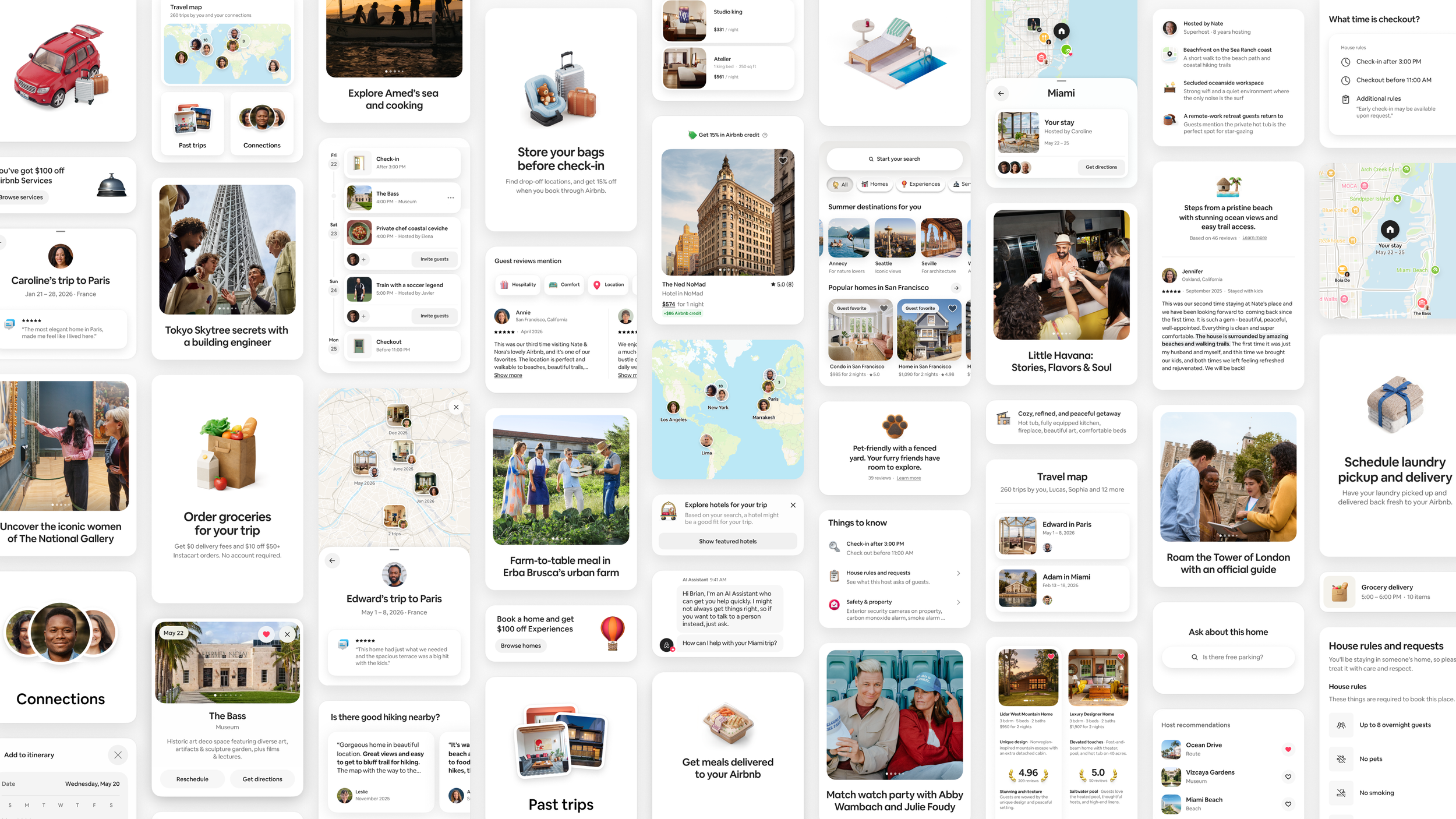
Ok, twist my arm. I’ll book that trip to Paris.
In this age of AI, there is a lot of talk about good taste. How does one develop good taste?
For me, a lot of the best design is an act of restraint. And that’s only becoming truer, because generation is infinite now. Knowing what to cut, what not to build, what not to make, and when to stop, is one of the most valuable and strategic skills a designer can have. With AI, the best design decisions are increasingly acts of judgment, not creation, not just taste.
“Taste” is an interesting word for that. It can feel like a bit of a dirty word because it’s subjective. One person might think I have great taste, while another thinks it's terrible. When we use “taste” to summarize what we bring as designers, it can feel minimizing.
I like to frame it more in terms of good judgment. Taste is really your ability to decide this versus that, and good judgment applies not only to design choices, but to leadership choices. It comes from actively widening your perspective and building empathy. You have to fail and be a sponge in order to develop good judgment and make decisions with conviction.
Some people say taste, or good judgment, is innate, but I really think you have to go out and experience the world to cultivate it. It's something you have to continue to practice.
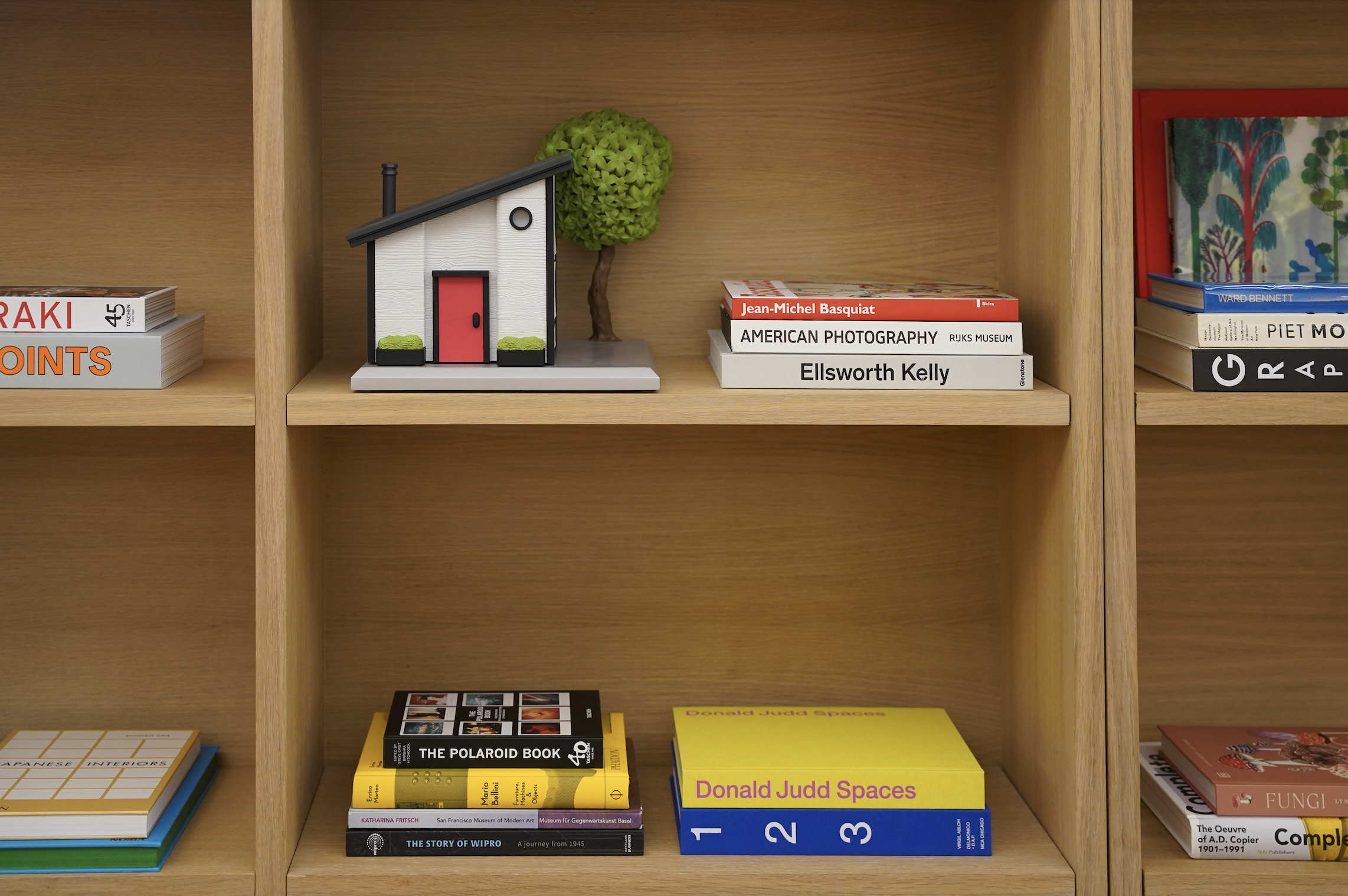
This Airbnb would be perfect for Stuart Little.
At Airbnb, you’ve made a push beyond flat design into tactility, motion, and 3D. Why did you make that push, and how are you thinking about it holistically?
Airbnb is about bringing people together in the real world. And at our best, our digital interface is a precursor for an actual, physical experience away from technology.
Experience design is about helping people move through multi-dimensional spaces and making complex things feel familiar. Motion, tactility, and dimensionality are tools in that toolbox: a tactile button invites a touch, and motion guides you on where to go next. They must aid the experience, not get in the way of utility.
Occasionally, we add a touch of magic just to make an interaction feel special, but it always serves a purpose. If we add visual delight after a user completes a task, it’s our way of saying, Hey, thank you for the effort! It’s never delight purely for the sake of delight.
Is there a favorite detail you’ve worked on that most people wouldn’t realize was intentional?
There are so many. An old one, but one I still have a soft spot for, is our travel stamps. Guests get a new travel stamp after each trip, and they live on your profile page, in a carousel of “Where I’ve been.” They sit at random angles, but within a tightly defined range, there are rules about how "off" they're allowed to be, and that constraint.
The details that make me smile are hidden inside our design system and iconography too. We have easter eggs that reference Airbnb lore, our vehicles carry a license plate that nods to our headquarters in San Francisco, and there are illustrations of Brian's dog Sophie tucked into our sizzle reels and product animations.
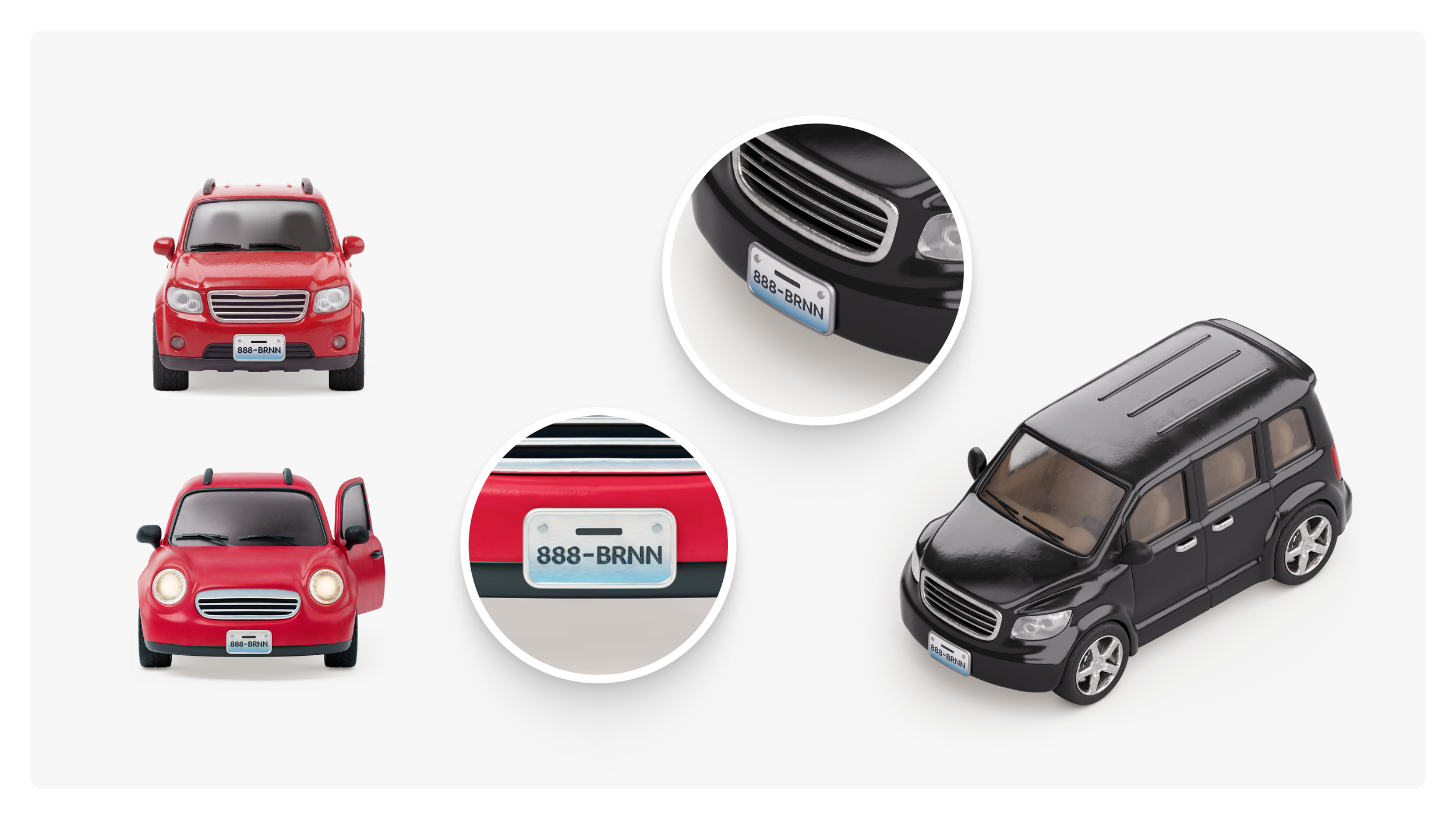
Can you spot the Easter Egg? Here is one of many hidden design details in the app referencing Airbnb’s headquarters at 888 Brannan Street.
You mentioned the importance of fighting for ideas you believe in. What’s the last one you pushed for?
A couple of years ago we launched a series of trip postcards. We’ve since been using AI to generate them in a new way. We want to keep the high quality bar of the first set, but we also want to generate more cities to have more variety in the set and make them more personalized.
It’s a product that isn’t going to have a massive business impact compared to everything else we do. But it’s uniquely Airbnb, and we know our guests love receiving them and sharing them. It’s something I have a lot of conviction about doing, and Brian loves them too. So we’ve been pushing to make that program a reality. Maintaining the spirit of the brand is essential.
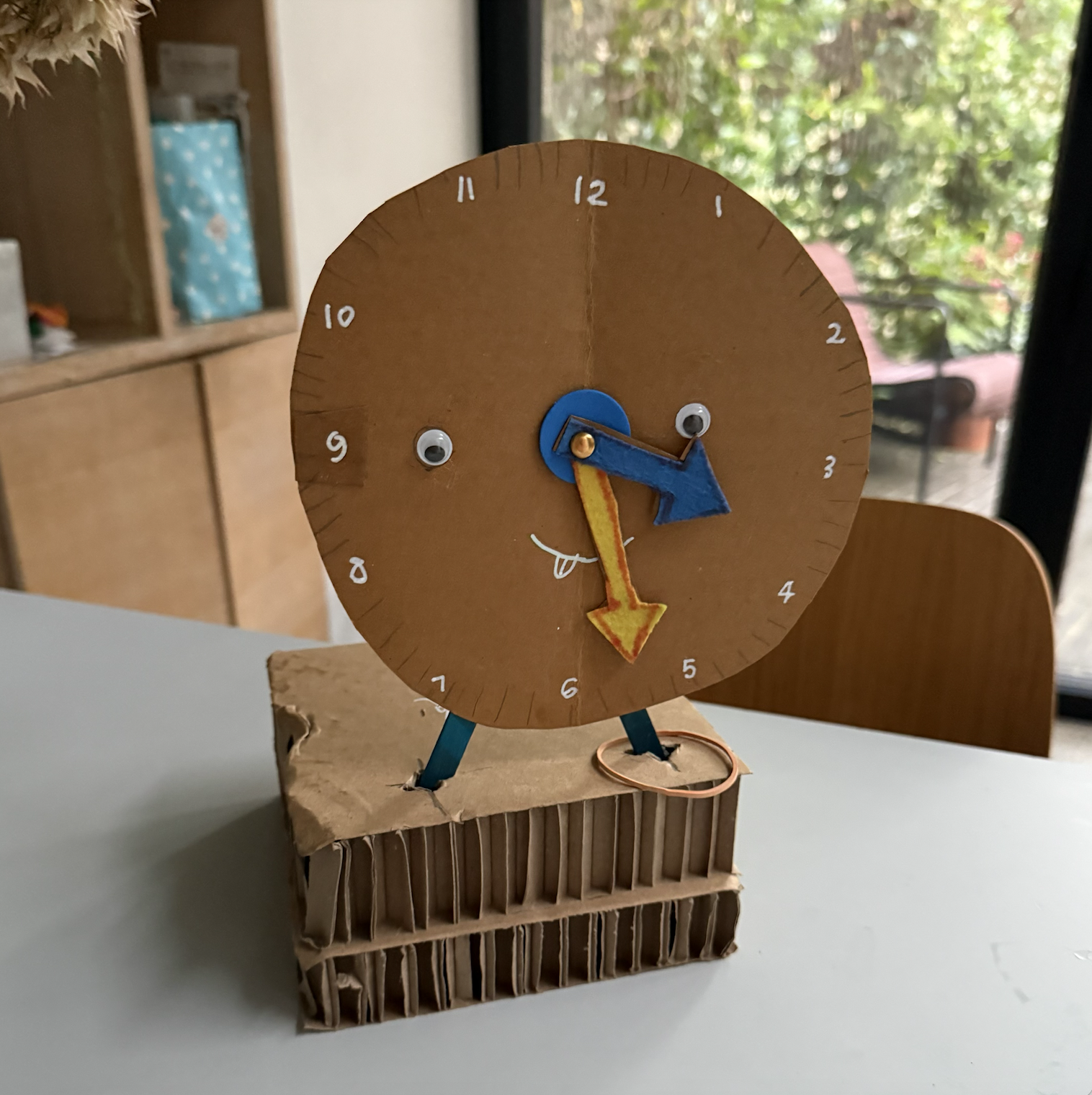
What better way to learn to tell the time than from the guy himself?
Outside of work, what are the coolest things you’ve made recently?
I enjoy making things with my children. That same kid who collected stamps and made things growing up is doing the exact same thing with my boys. My kids are learning about analog time, so we made paper and cardboard clocks and then we thought, Should the clock have legs or eyes or a mouth?
Drawing with my kids is relaxing and helps me get away from screens. I’ll spend hours sketching, and when they ask to move on to another activity, I’m like, No, this feels too good. I need to keep sketching.
The Most Useful Peer Network for Creative Professionals
Creative Factory is a private, highly vetted leadership community for brand leaders. Join peers from Netflix, Meta, Amazon, Roblox, and more.
If you’d like to read more from Creative Factor, find our latest stories here. Or looking to tell your brand story? Introducing Creative Factor’s Storytelling Studio.